Paintings
Modern Ducks
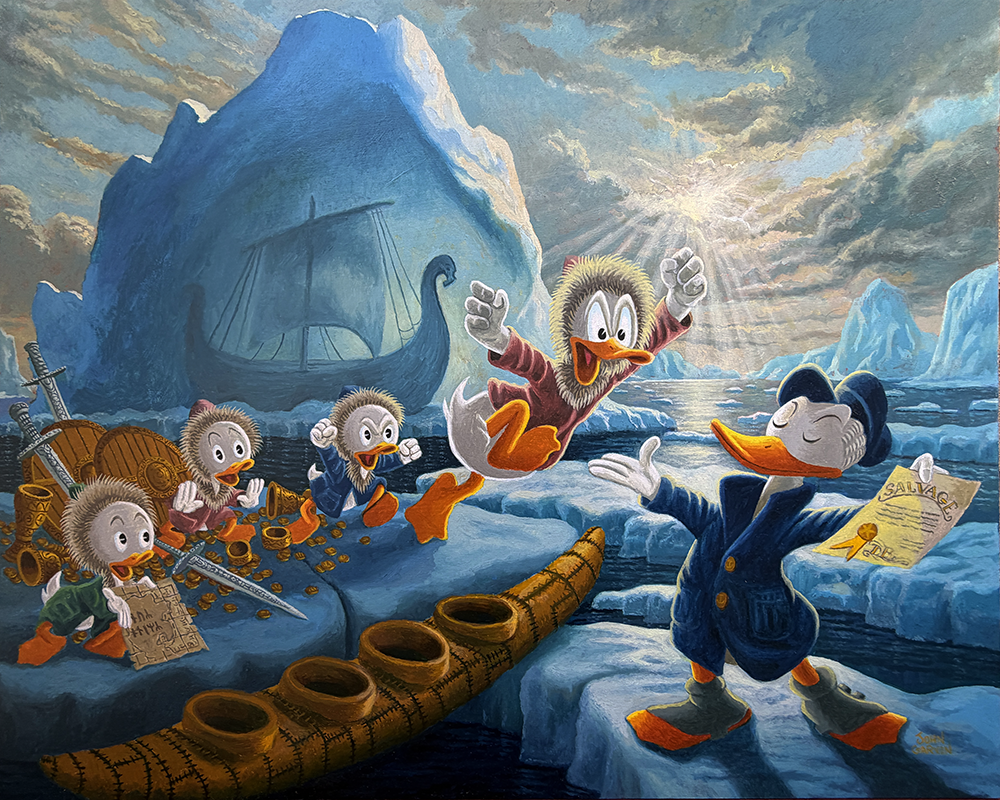
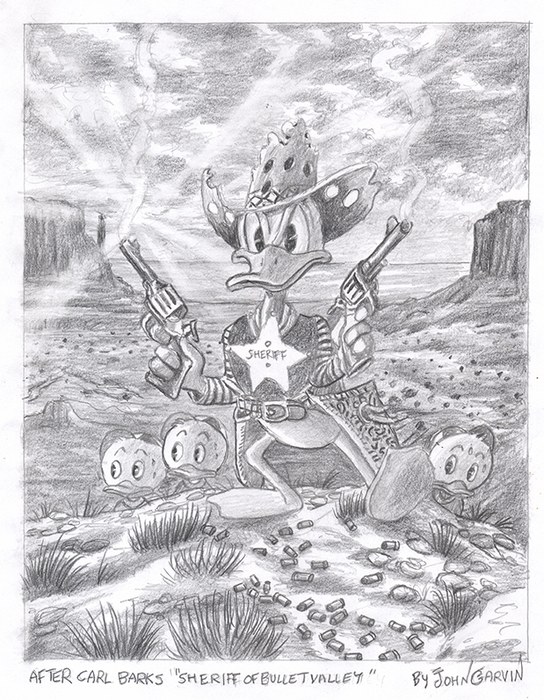
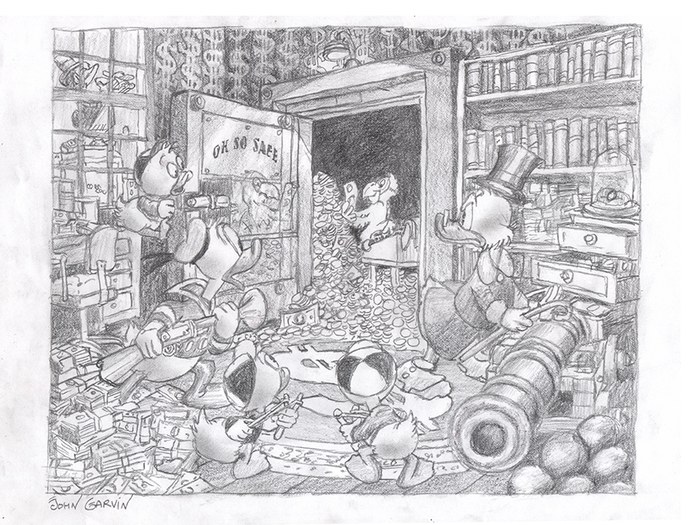
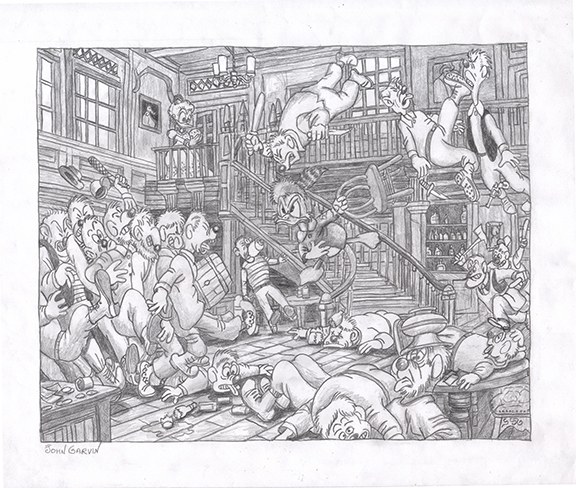
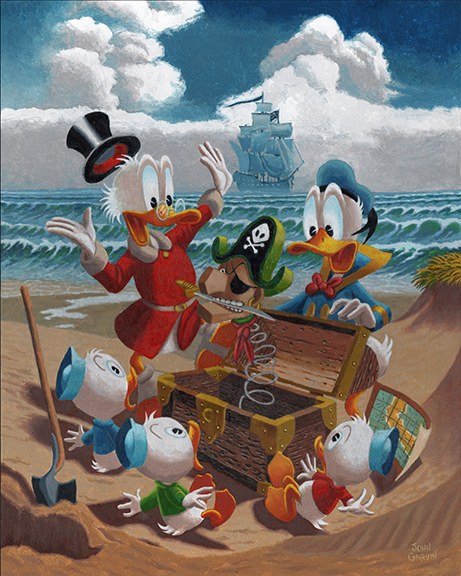
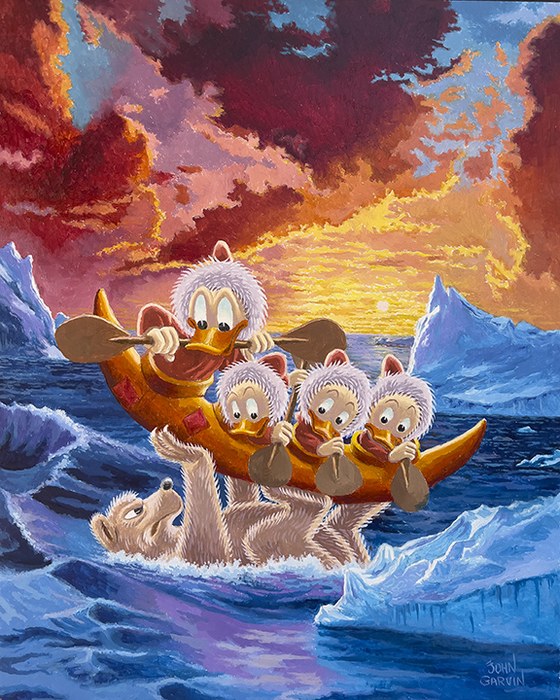
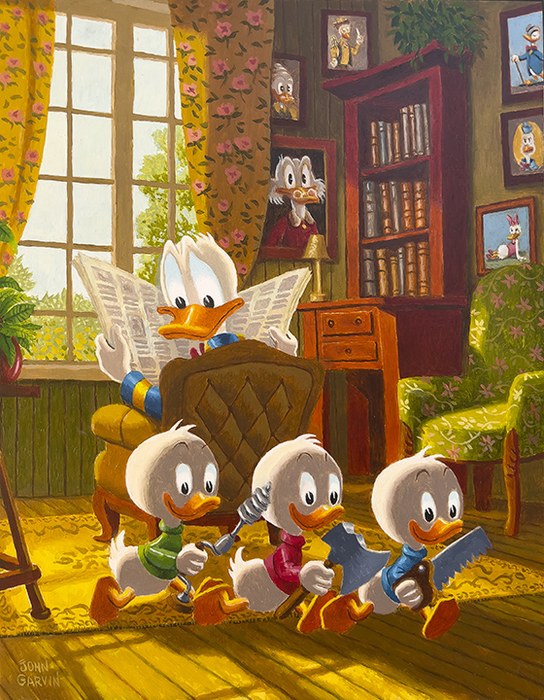
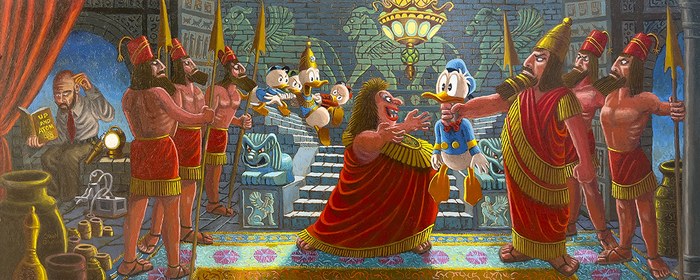
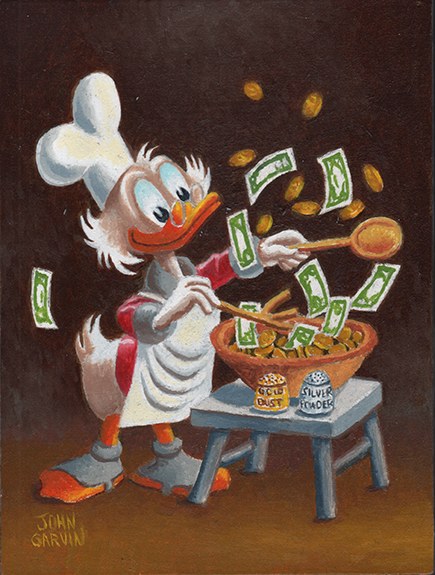
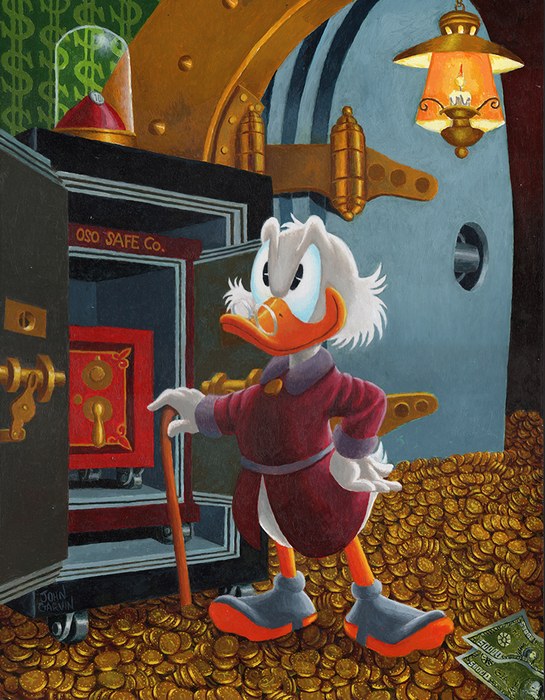
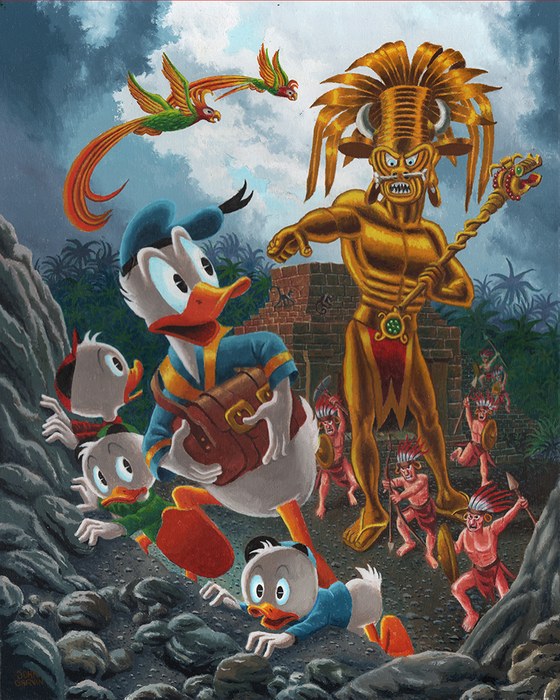
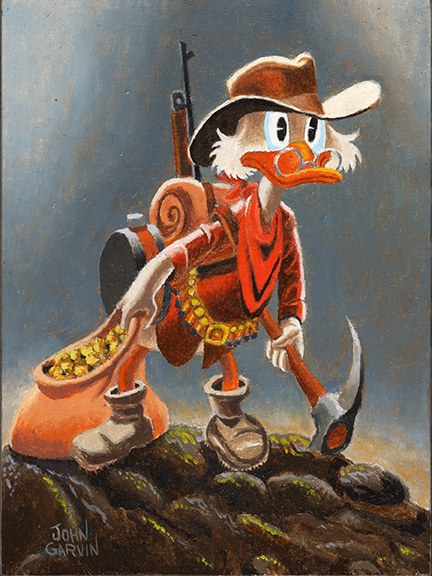
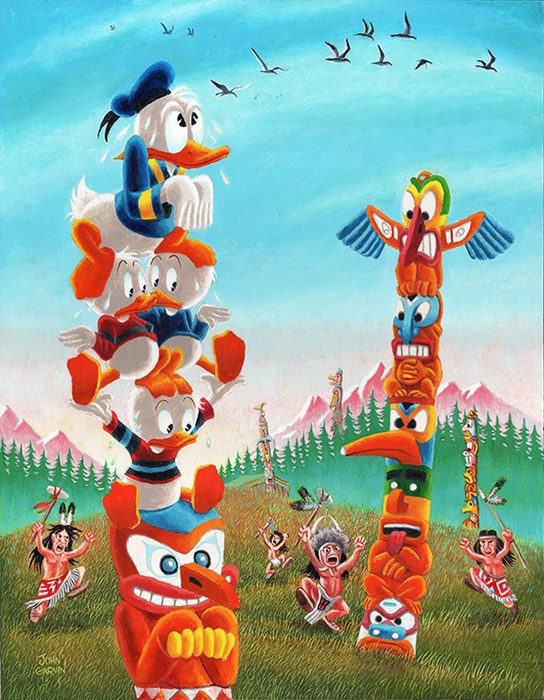
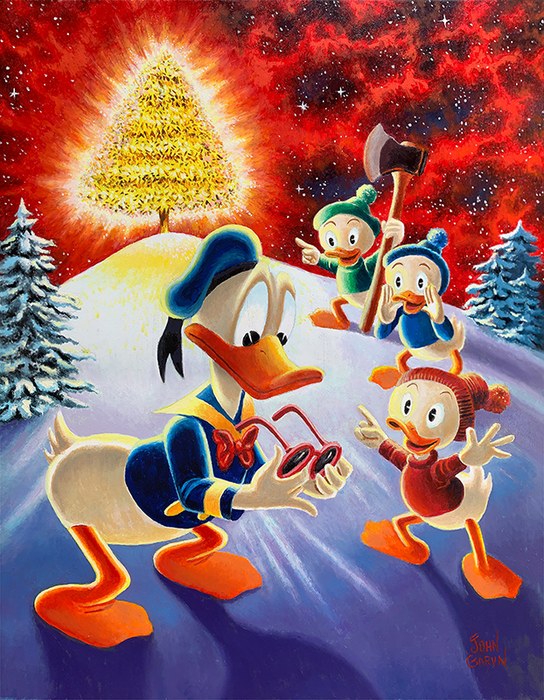
By 2010, I had been working as an artist and art director in the video game industry for over twenty years, and was able to bring a high level of skill and expertise with digital tools like Photoshop and 3D Studio Max to my paintings. While Barks lit and photographed ping pong balls to get the lighting right on his ducks, and James Gurney created paper mâché models to use as reference for his Dinotopia paintings, I was starting to do much of my composition and reference work in 3D Max.
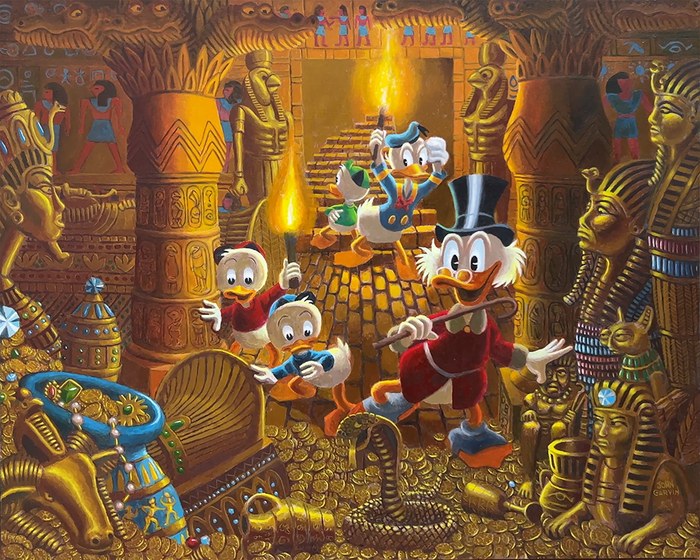
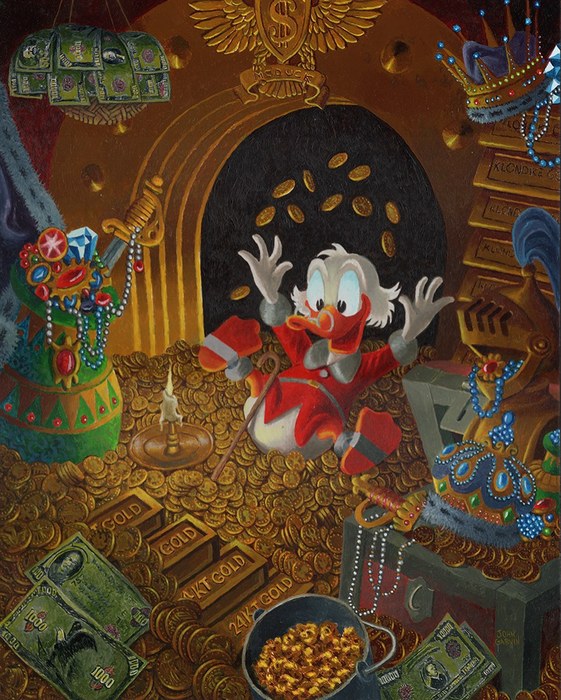
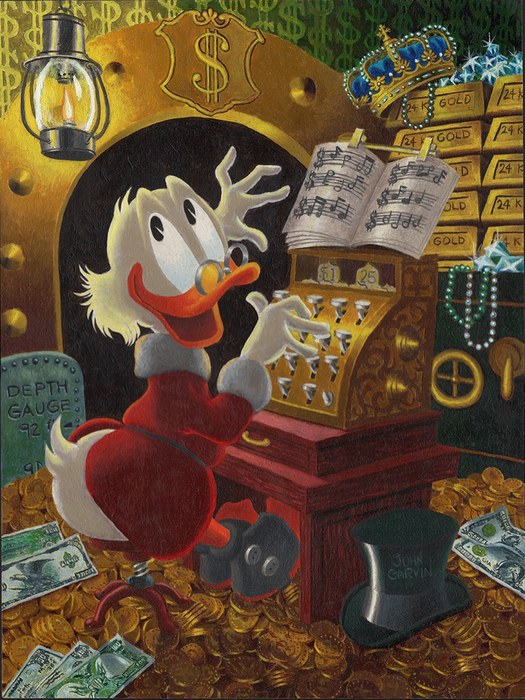
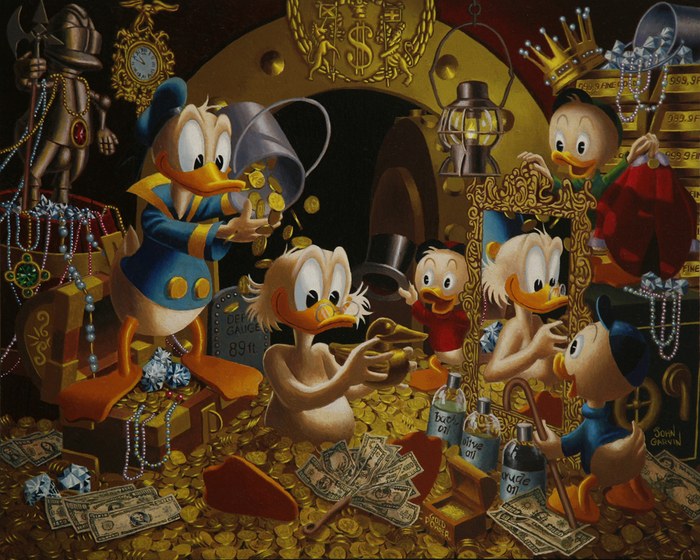
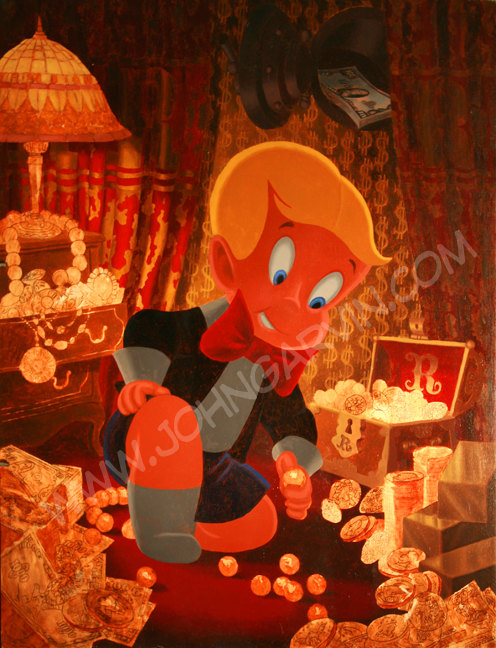
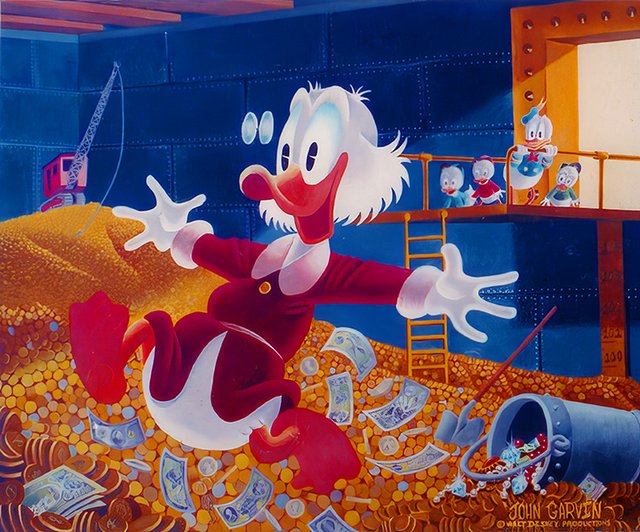
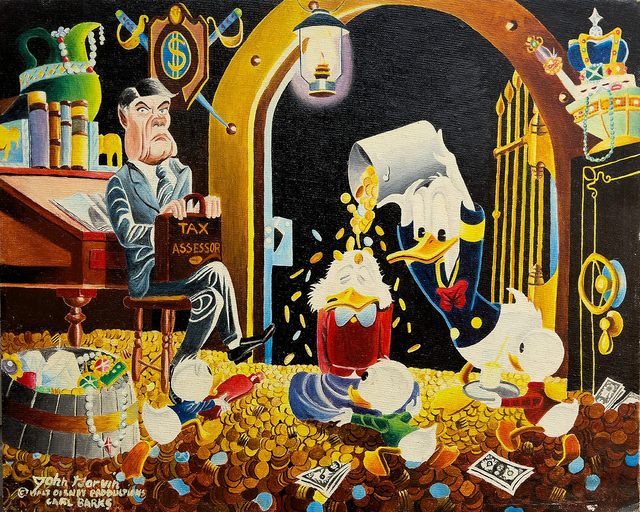
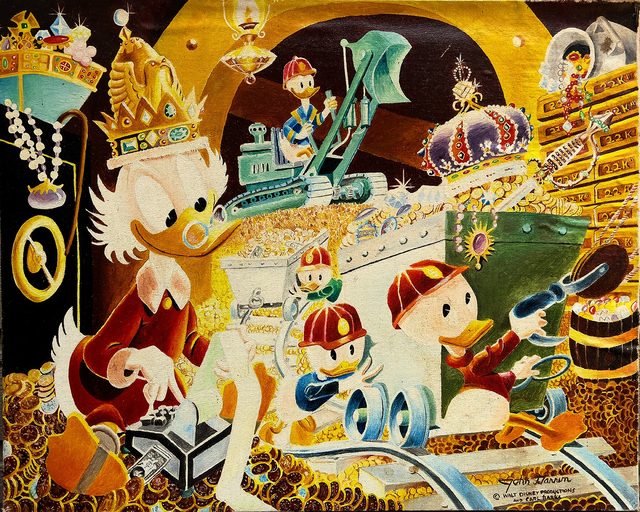
Doing my layouts in 3D allowed me a lot of flexibility. I created Scrooge's money bin, for example, in 3D, complete with props, character maquettes, the big brass gate, thousands of gold coins, etc.. Because the set was in a virtual environment, I could move the props, characters, lights, and camera around freely, experimenting until I had something I liked. It not only saved time, but 3D was a great visualization tool, helping me achieve compositions I'd never have done on my own with just pencil and paper. In the end, I still transferred the composition to board so I could paint it in oils -- that will never change -- but the process of getting to that stage was a whole new world. The age of digital technology was really just getting started.
People and Portraits
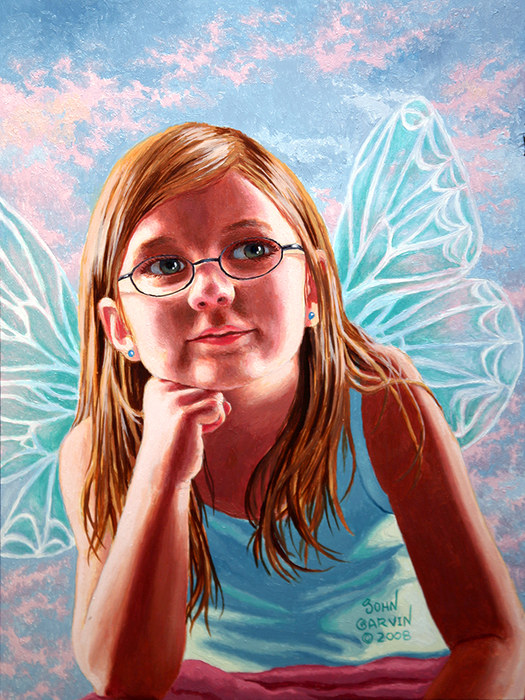
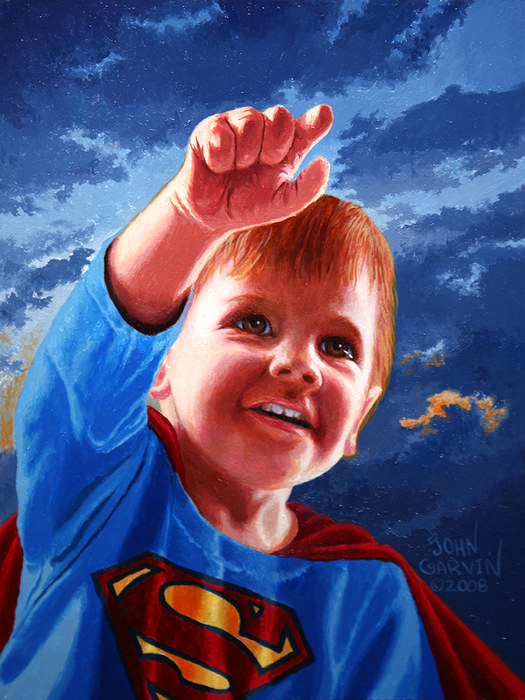
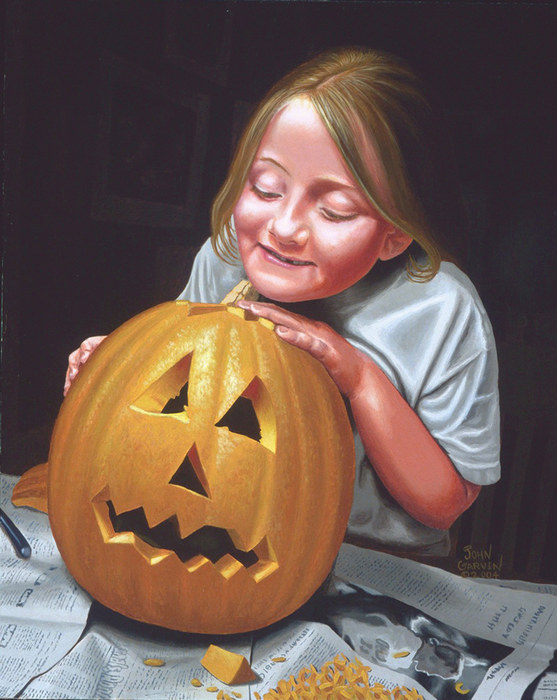
I took a couple of art classes in college and hated them. Why? Because the modern art establishment doesn't appreciate craft. If you go to the Portland Art Museum you'll see works like a 40 foot white canvas with a single pencil line down the middle. This is art? I get it: in the 1800s, the photograph made realism obsolete, ushering in the era of art "isms" which are more about concepts and ideas than the craft of painting. But that style of art isn't for me.
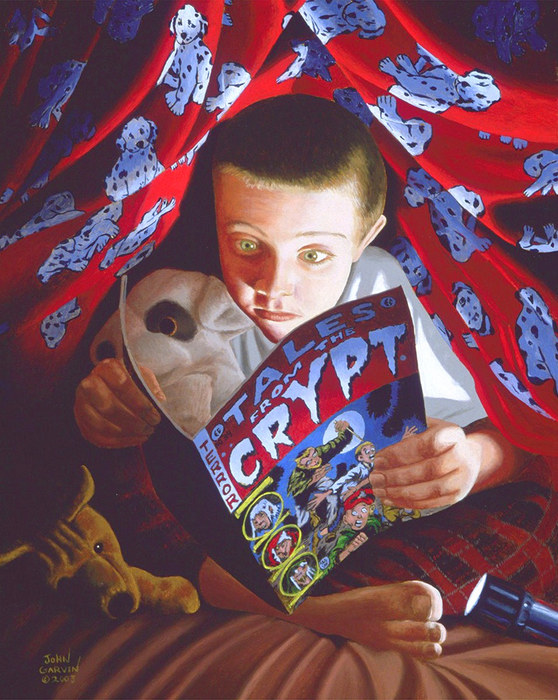
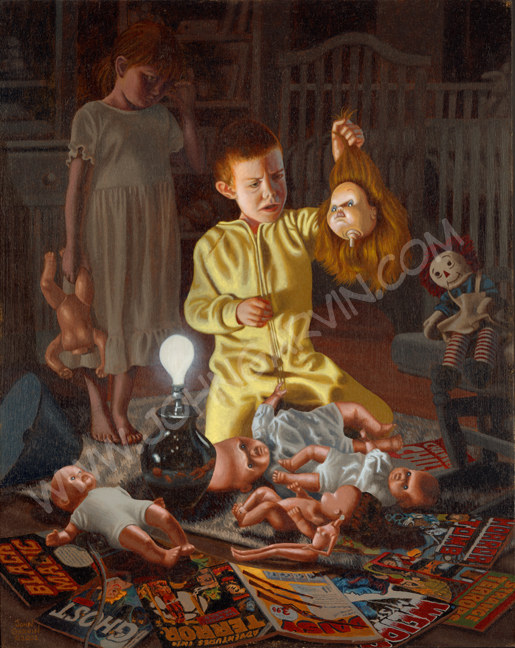
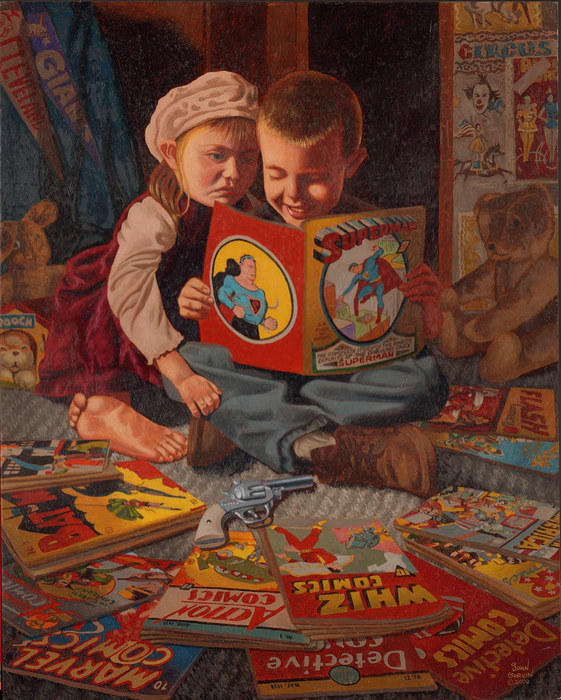
I much prefer artists like Norman Rockwell, who spent almost his entire career being ignored by the art establishment. For me, Rockwell is much like Barks: the two men were from the same generation, sharing a strong work ethic, driving ambition, and desire to improve their craft; they were both illustrators, without much use for "modern" art, though Rockwell dabbled in it for a time; and they were both beloved by millions of fans. Rockwell, like Barks, was content to paint pictures which pleased his audience. When I paint a portrait, I keep this attitude in mind, though I confess to letting a little darkness slip into the narrative from time to time.
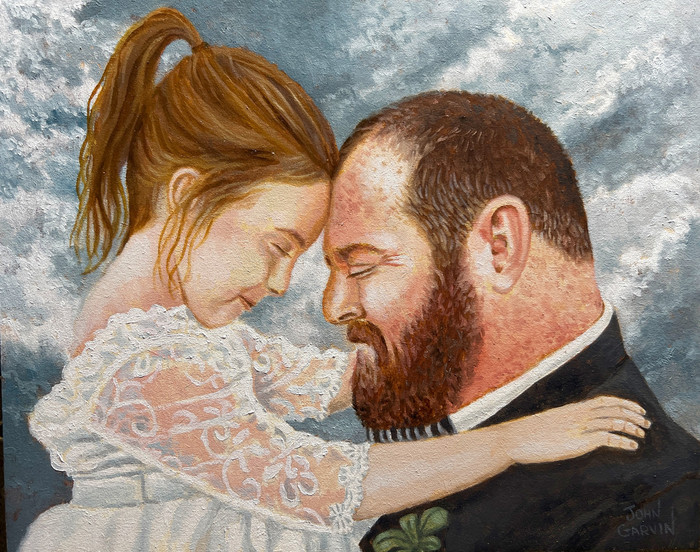
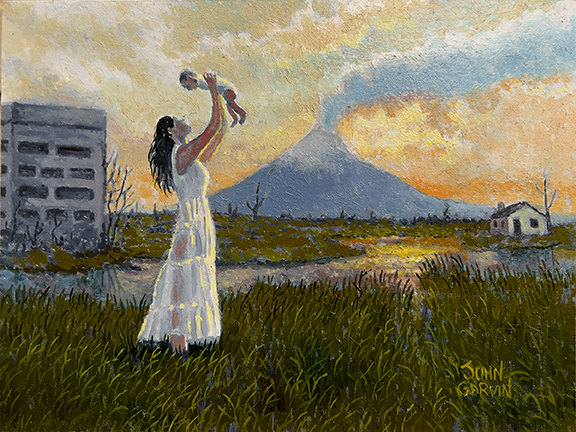
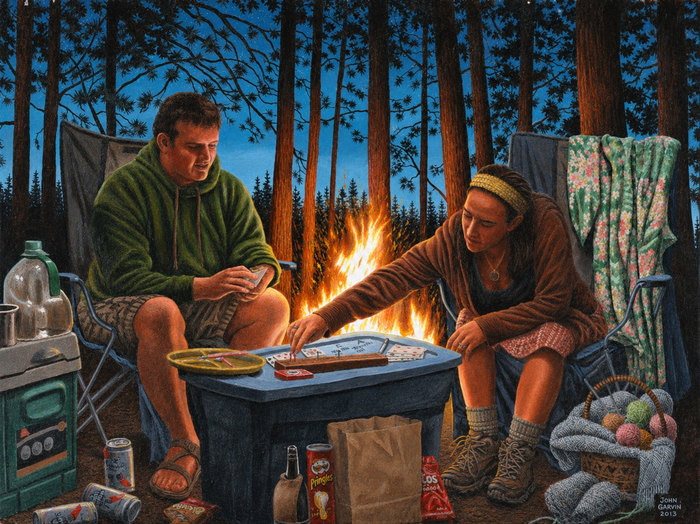
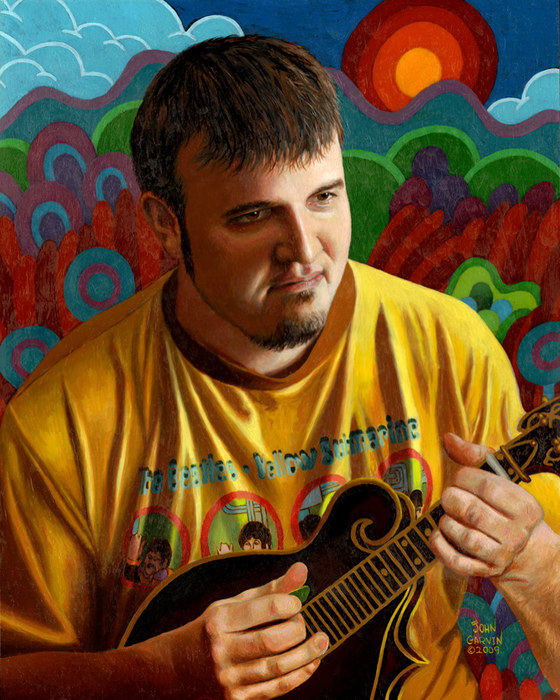
Art For It's Own Sake
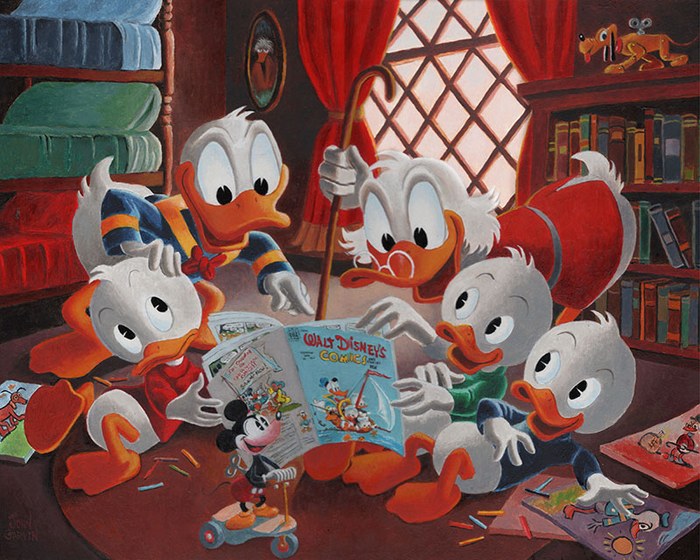
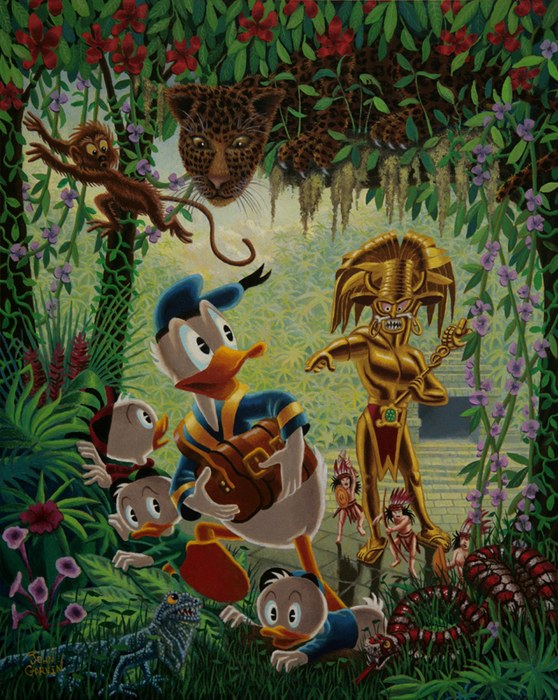
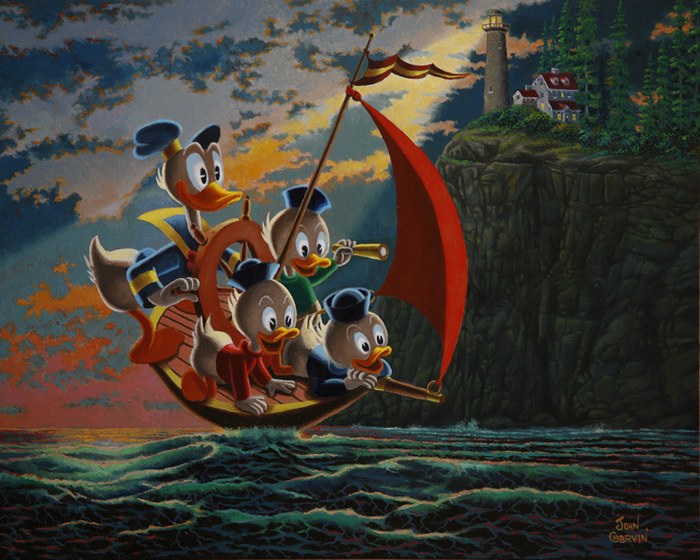
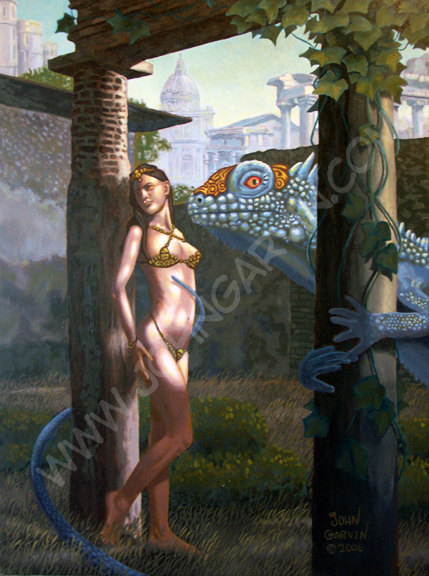
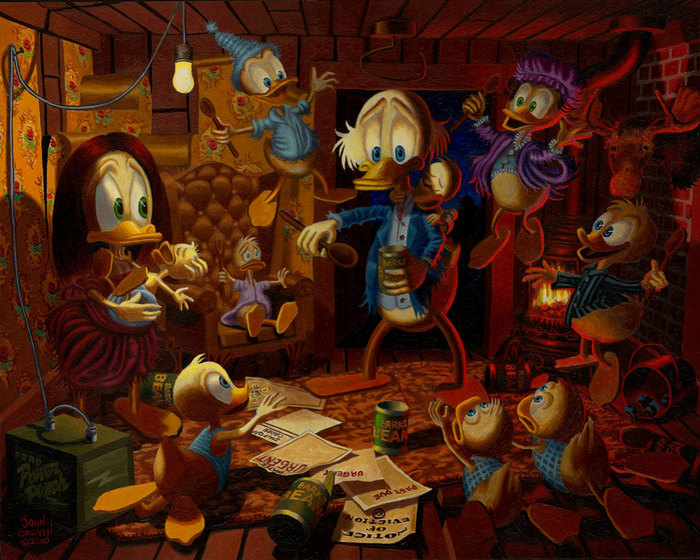
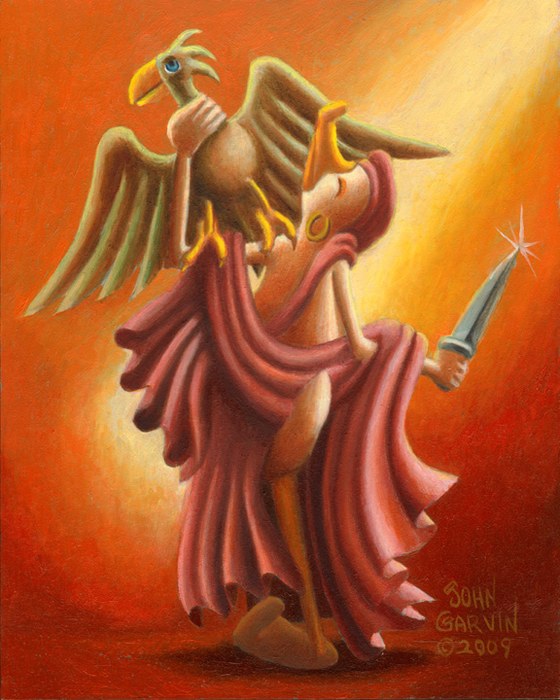
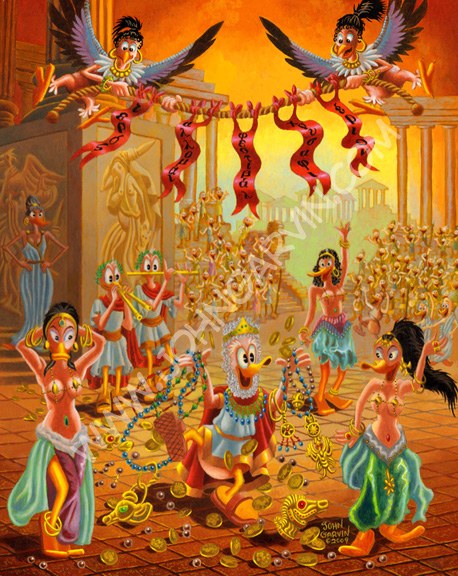
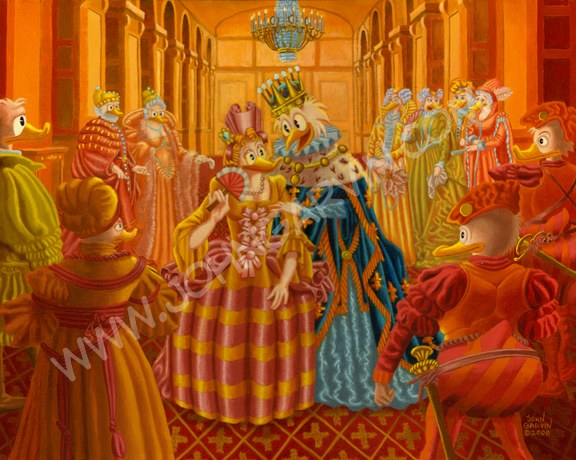
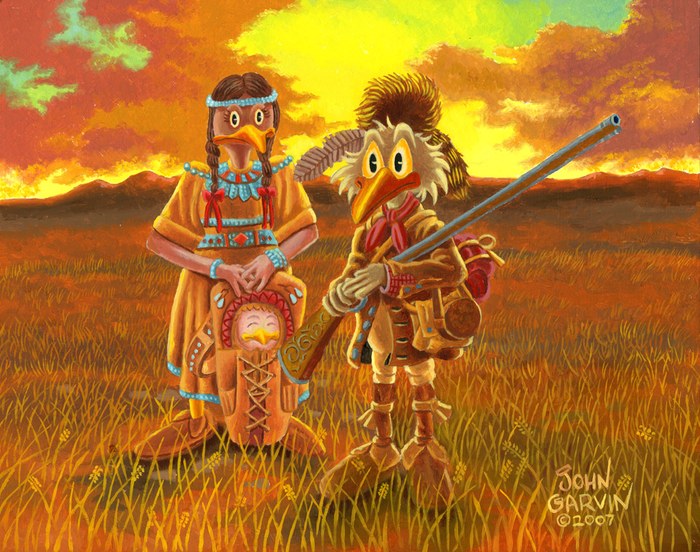
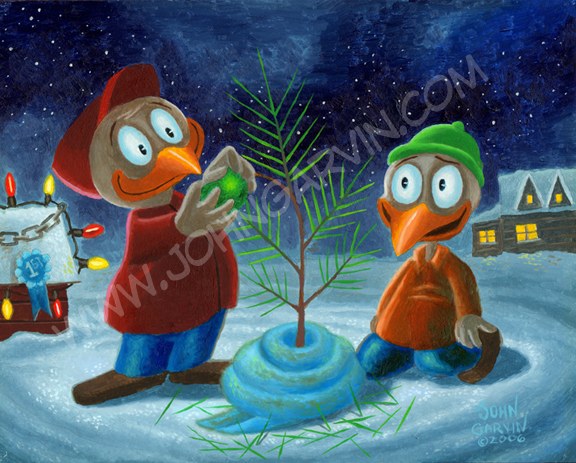
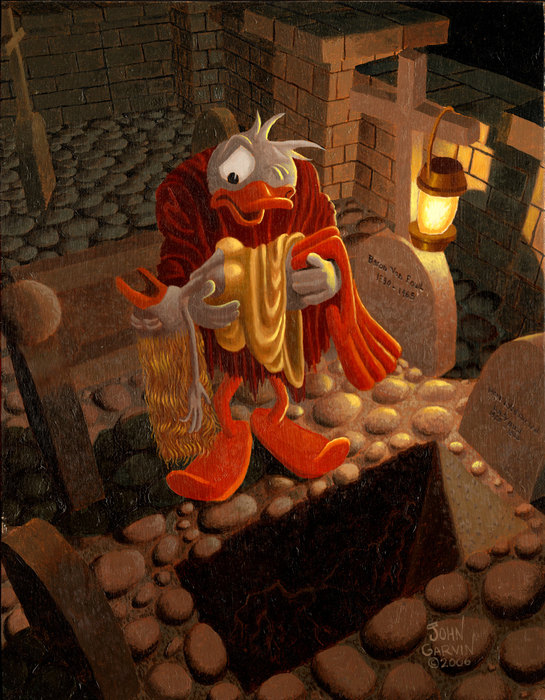
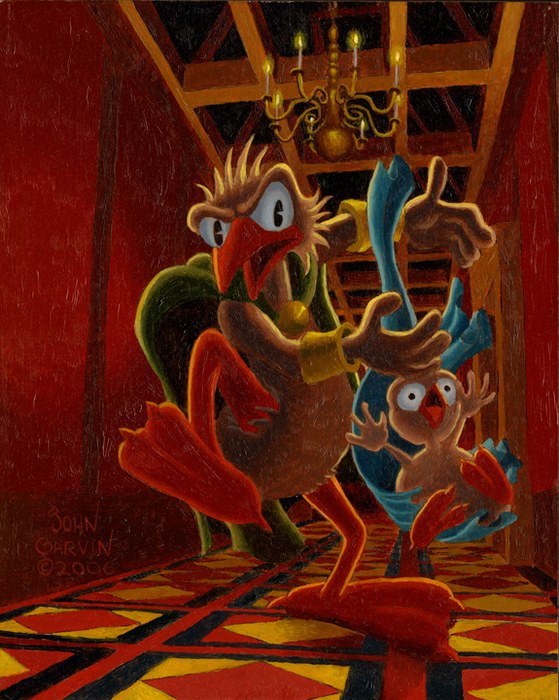
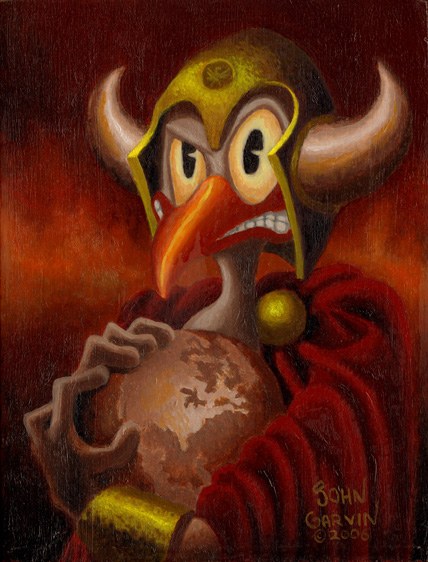
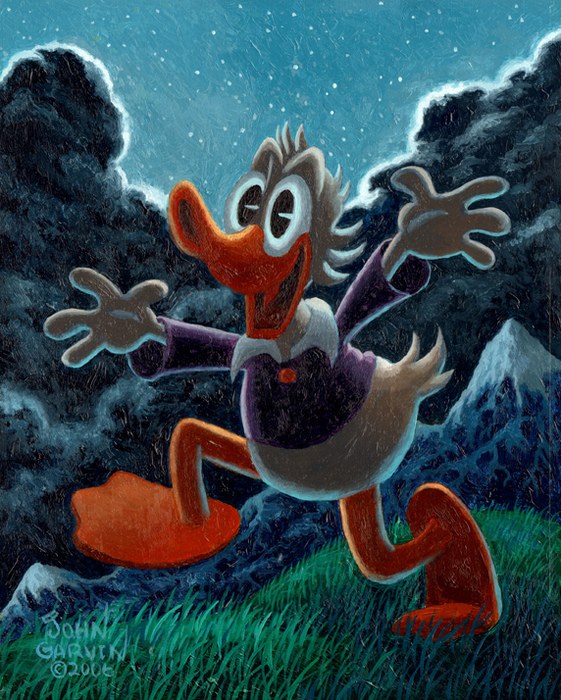
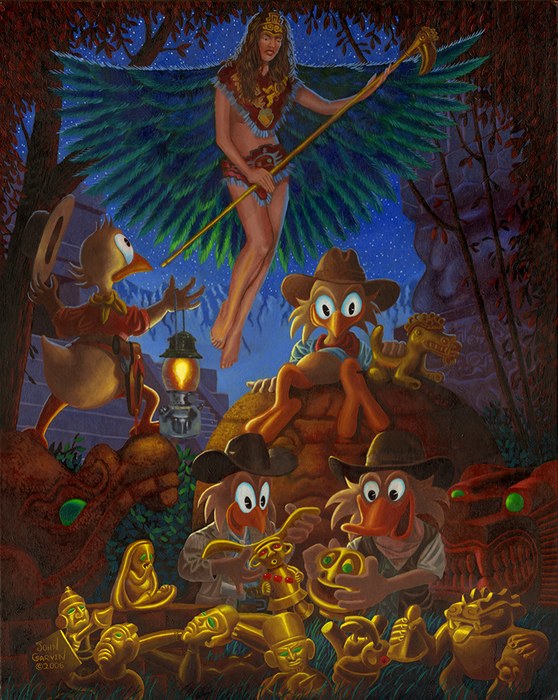
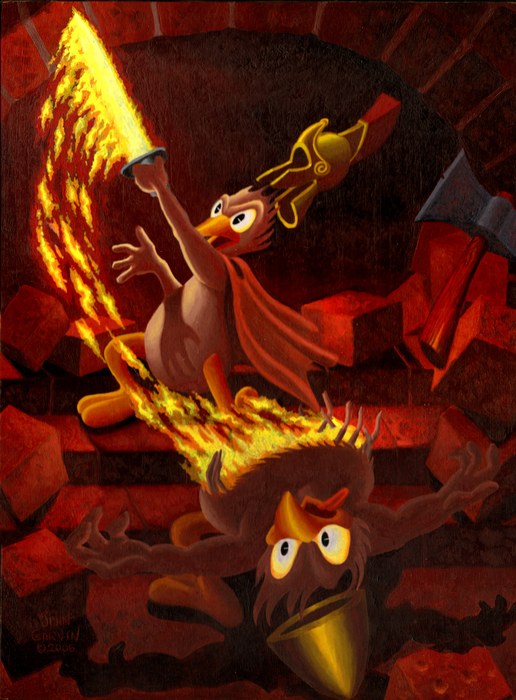
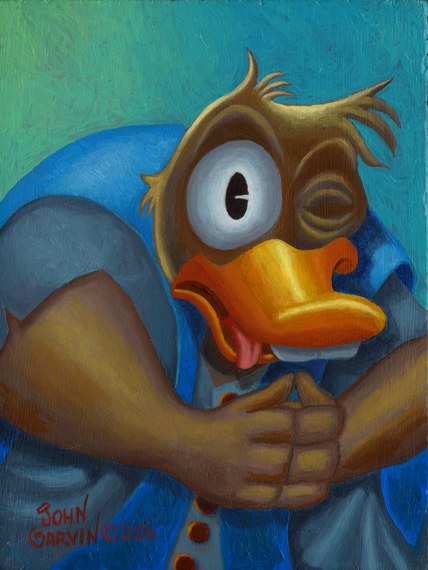
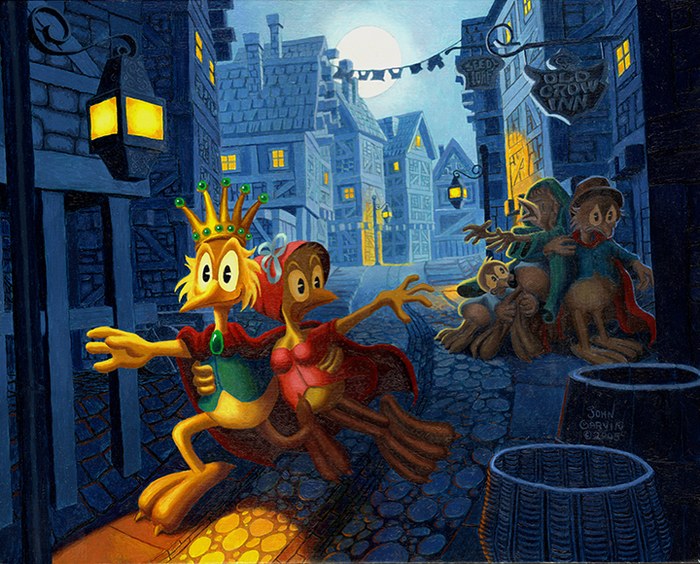
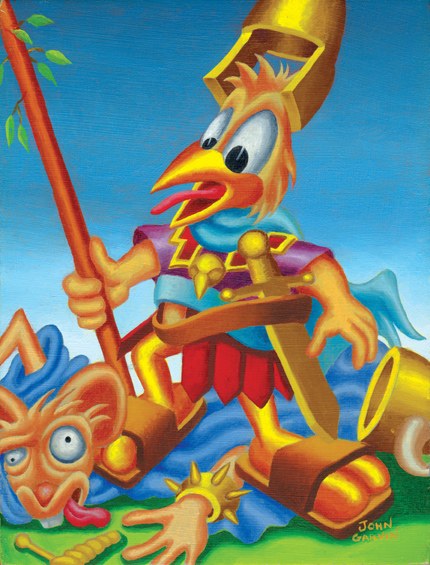
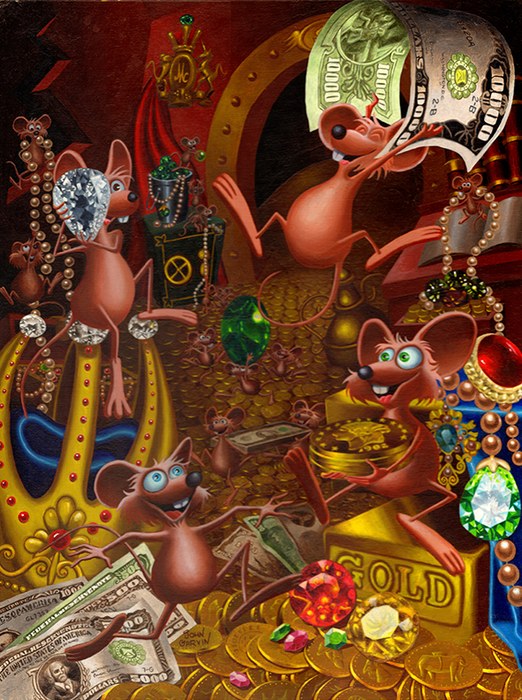
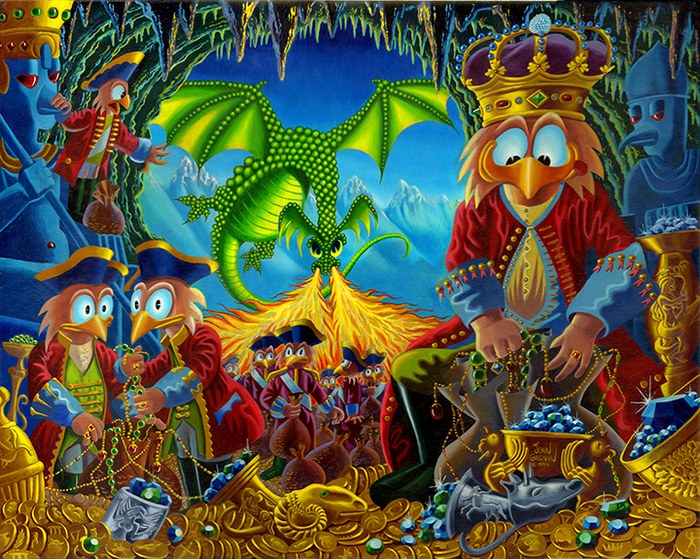
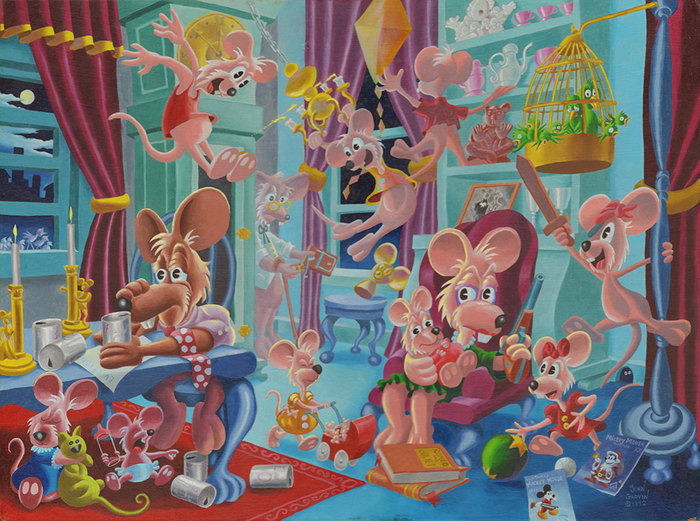
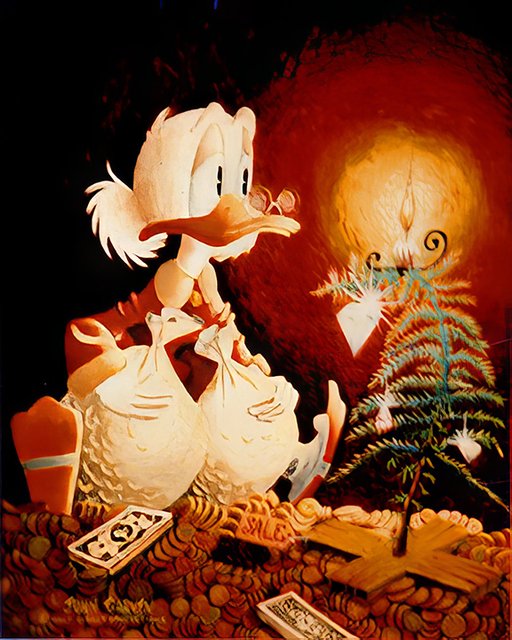
I've never been interested in the kinds of overt symbolism and iconography I see in other pop-surrealist paintings, instead opting for simple and straight forward narratives. I go where my muse takes me: Mouse Trapped is a didactic examination of my own childhood; Mice in the Money and Treasured Moments Before the Flames are blatant celebrations of the Barksian fascination with treasure and wealth; As Time Goes By and Charlie Chicken are odes to a movie a TV show, respectively, that impacted my childhood. Other paintings might invoke Frazetta, Barks, the Brothers Hildebrandt, or Charles Russell.
Barks's death in 2000 had a huge impact on me. I had been working in video games for a decade by then, and had long since left the world of Disney paintings behind. But I never stopped painting. In the early 2000s, when they started auctioning off the Barks estate, I was able to purchase his personal slide collection of his paintings, many preliminary drawings, as well as much of his clipping files (his morgue) and his library of art instruction books. All of this gave me greater insight into Barks as a painter, rekindling my desire to again take up the genre he created.
New Worlds
In the 1980s I was on a personal journey of discovery. I got my GED and graduated from college with a degree in English literature. I moved north to attend graduate school and to an MA in English. I was exposed to history, new ideas, new ways of thinking, culminating in a tour of Europe's great art museums and a three month stay in Perugia, Italy, in 1990. For a poor kid from Southern Oregon, the journey was transformational.
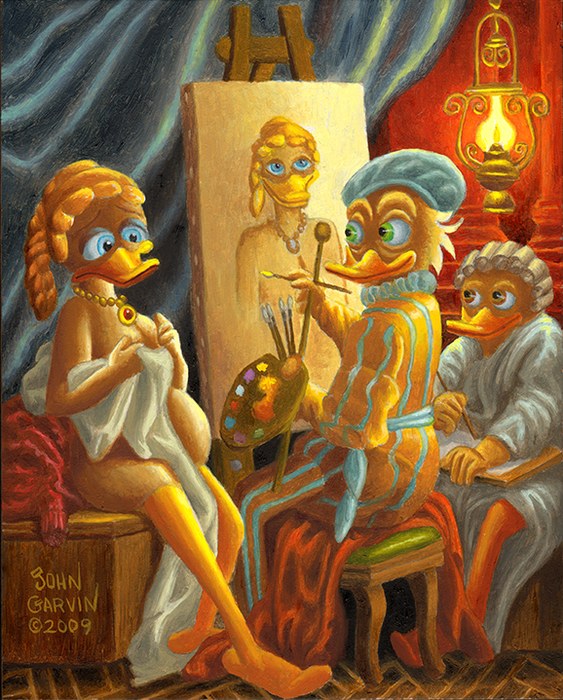
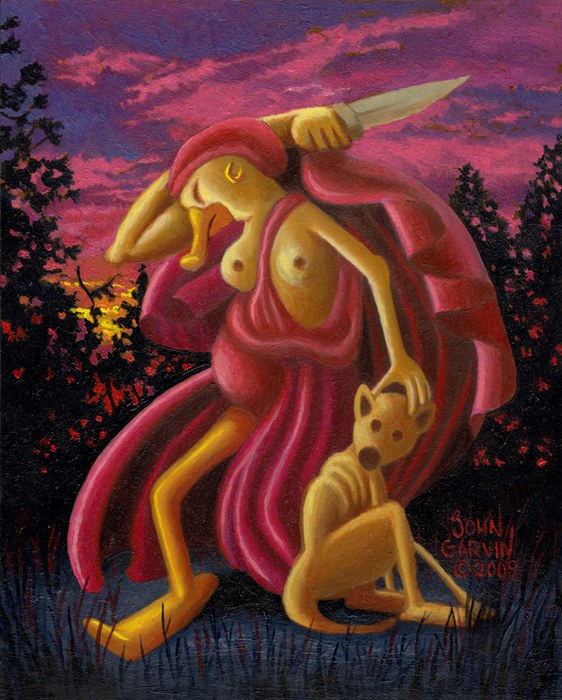
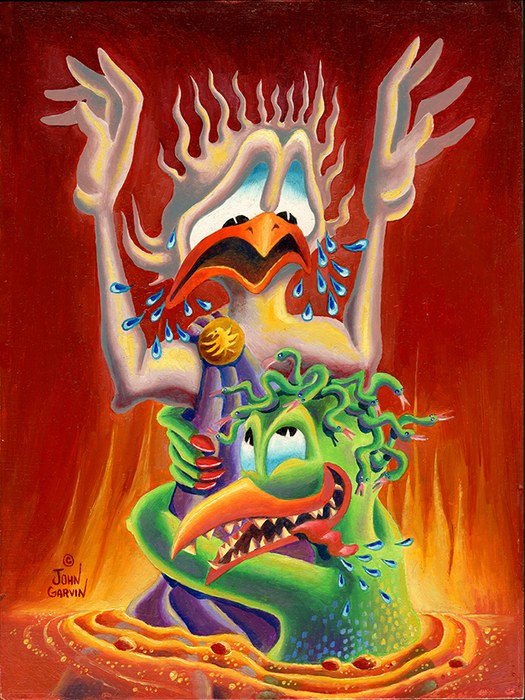
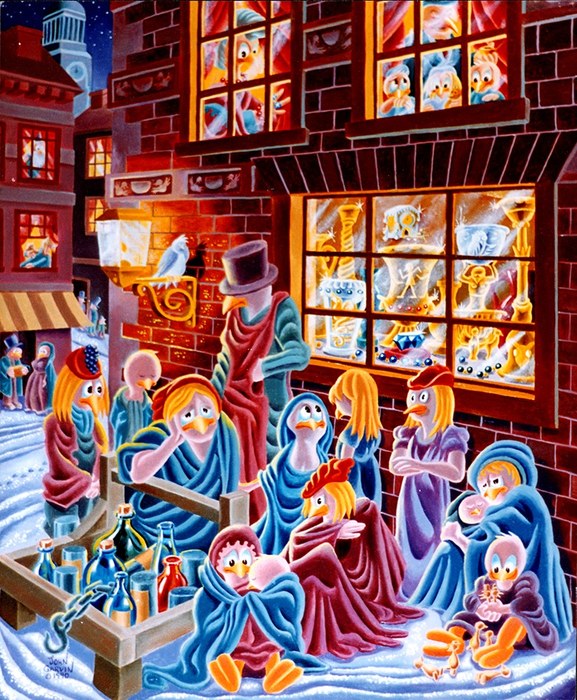
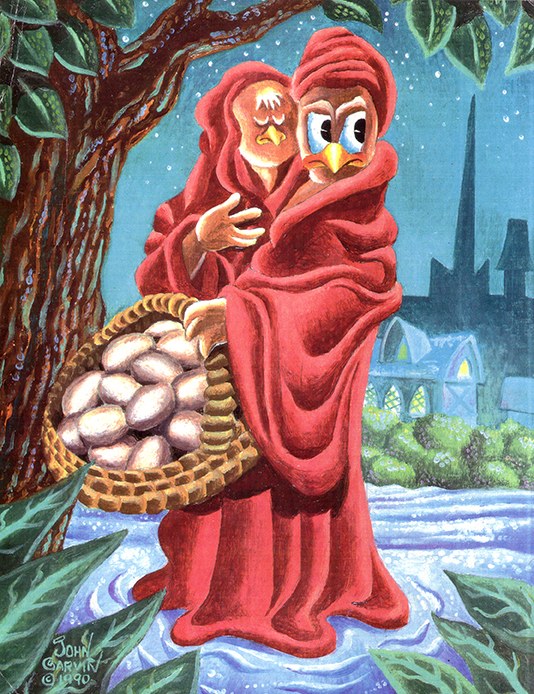
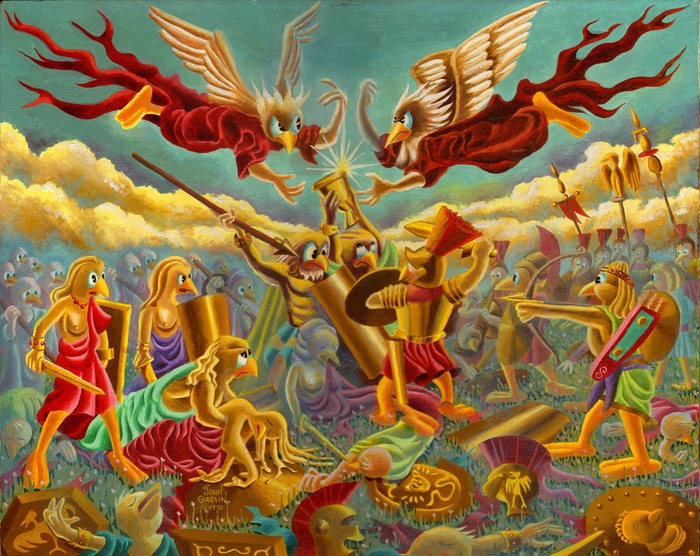
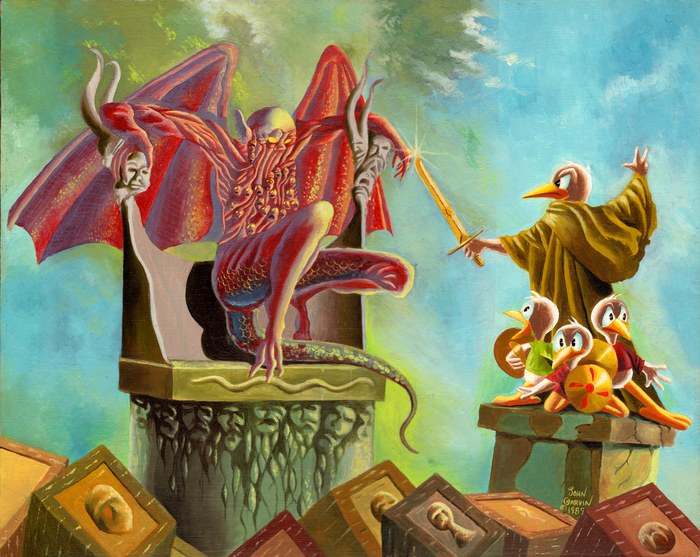
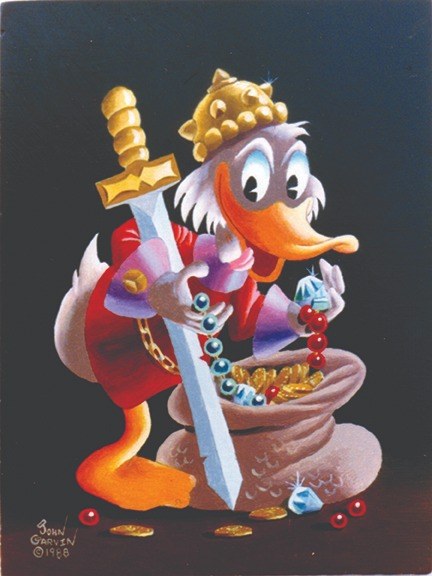
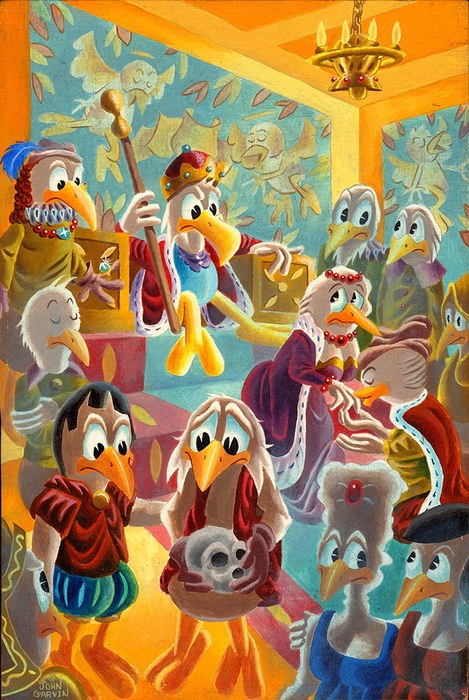
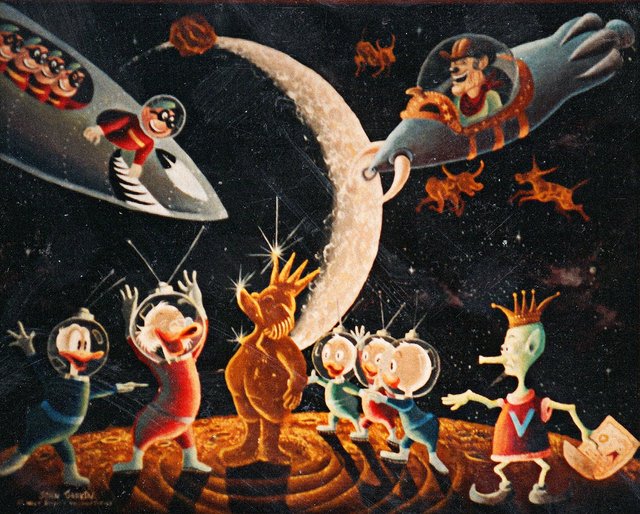
It came at a cost. After ten years of marriage, I got divorced. I moved away from all my childhood roots. I moved away from the Barks's -- living hours away and the demands of grad school made visiting difficult. But through it all I painted. By the time I started graduate school in 1987, I had stopped painting Disney subjects. I began experimenting with using fine-art cartoons to explore non-Disney themes: religion, history, myth, allegory. It seemed that anything was possible.
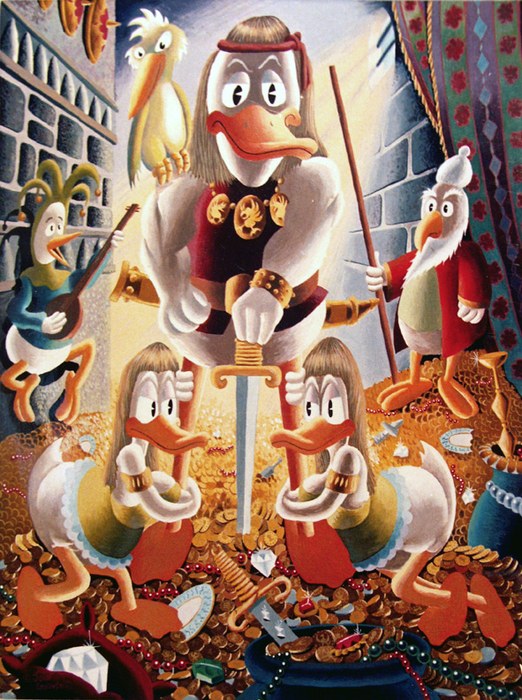
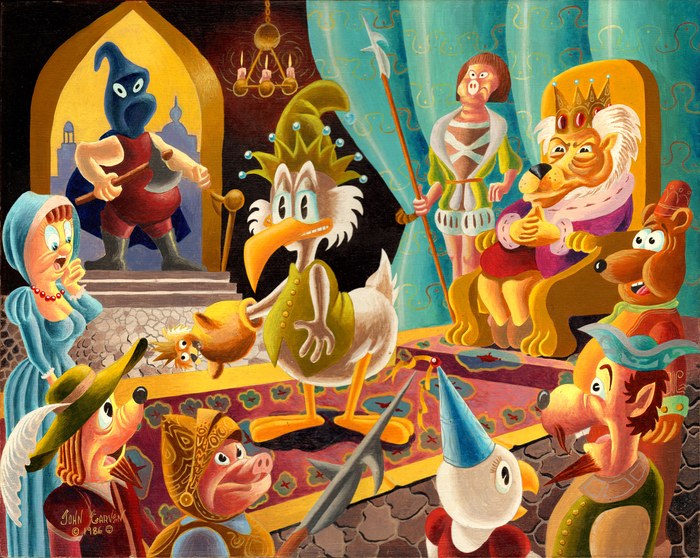
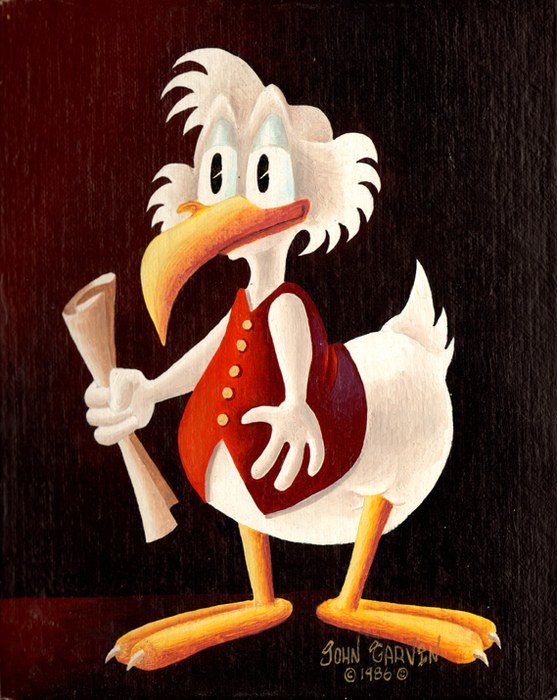
The Young Apprentice
The 1980s were an exciting time if you were a fan of Carl Barks. While Barks lost his license to paint the Disney Ducks in 1976, he got it back again in 1981, and then some. Another Rainbow, founded by Bruce Hamilton, a huge Barks fan, would go on to publish a dozen Barks paintings as lithographs, a high-end art book collecting Barks's Disney paintings from the 1970s, and a complete library of Barks's Disney comic stories in deluxe, slipcased, hardbound editions.
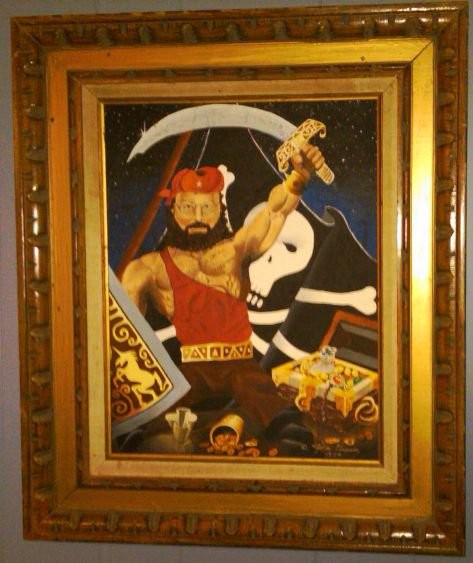
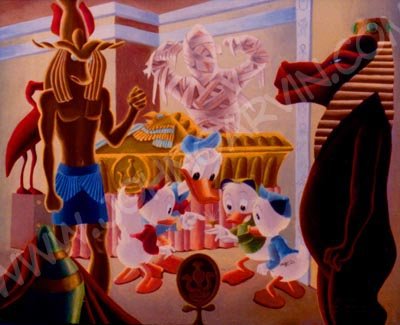
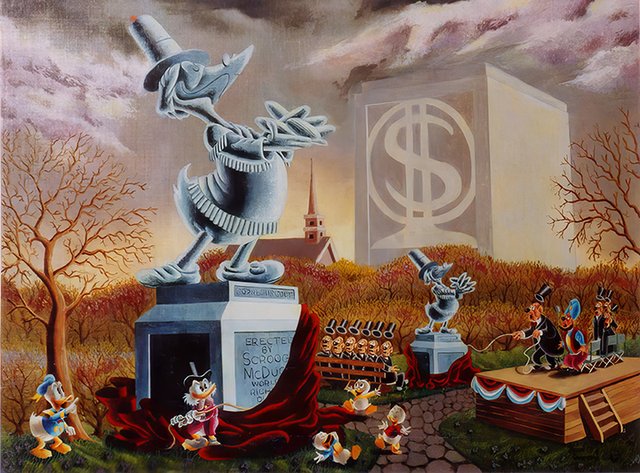
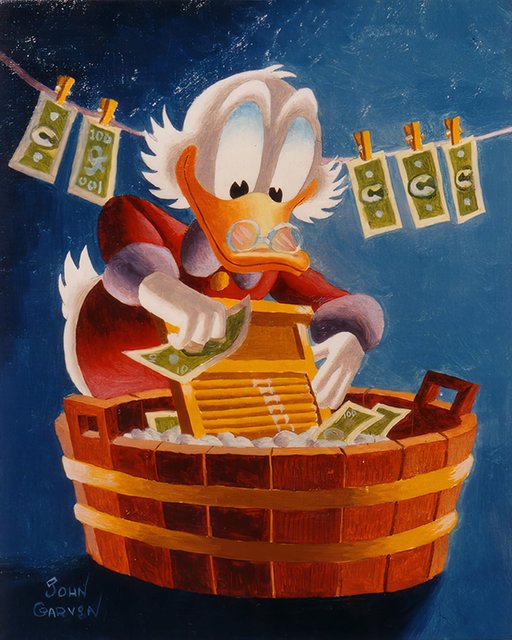
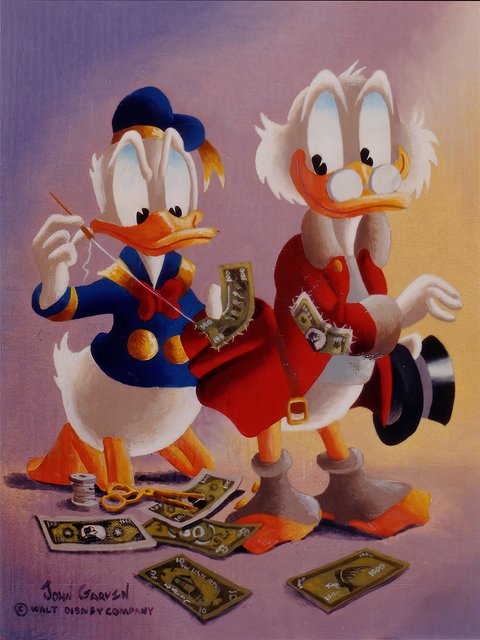
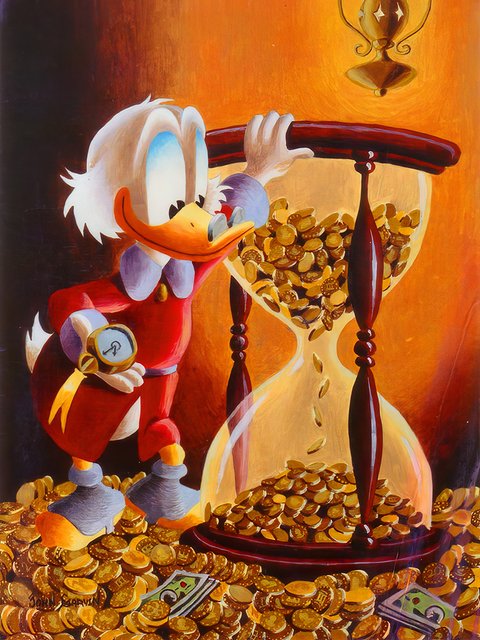
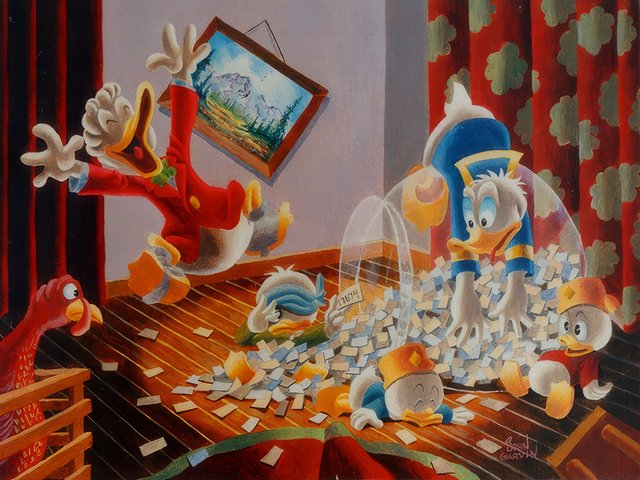
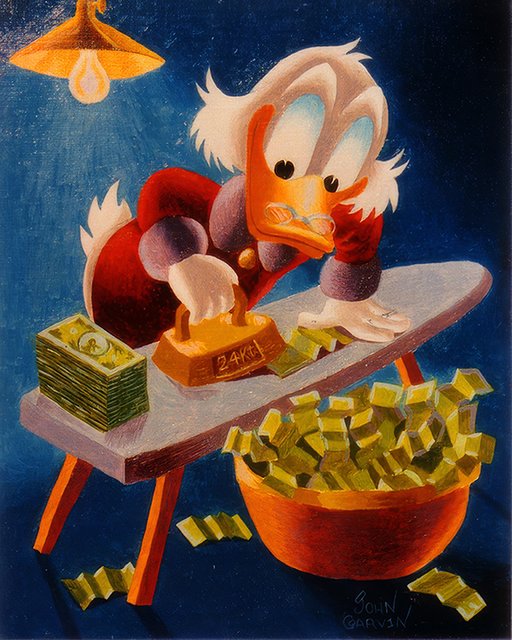
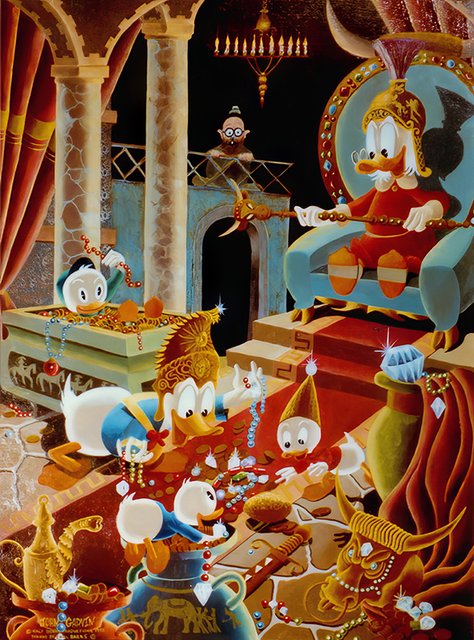
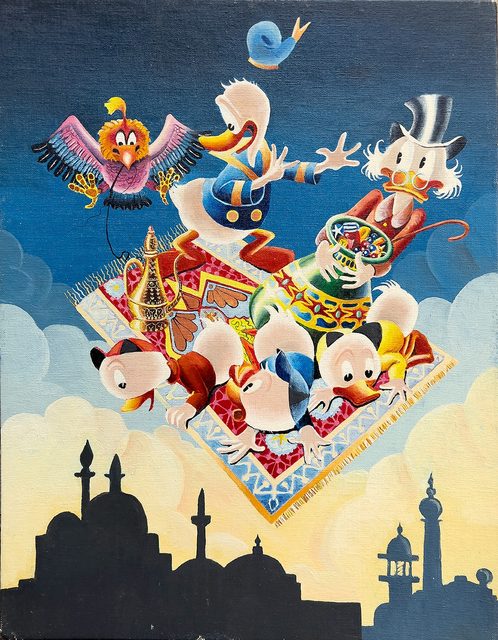
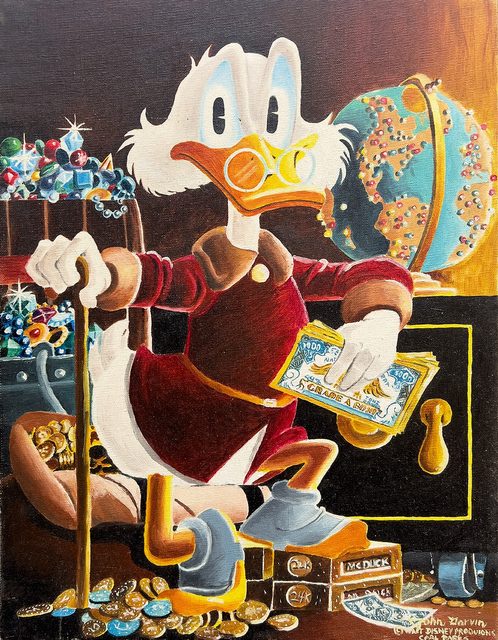
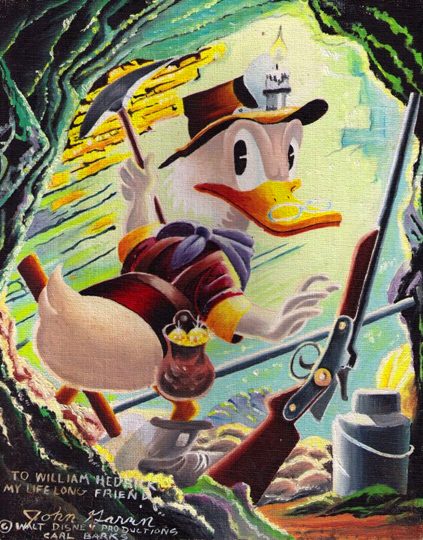
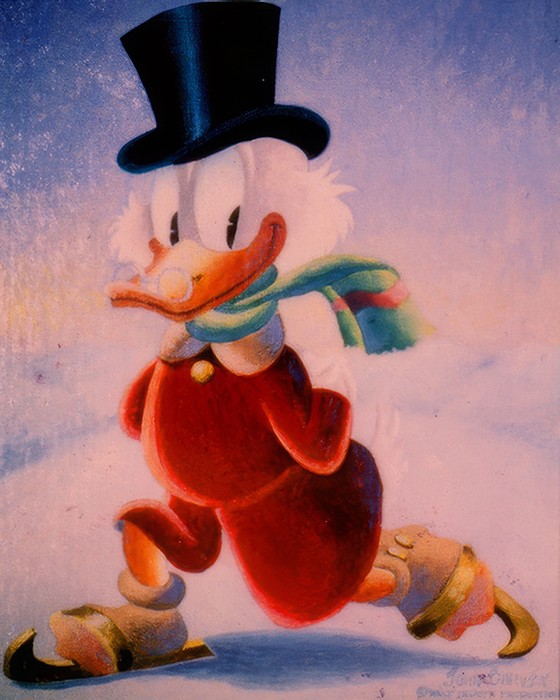
For me, the 80s were an exciting time because Barks retired to Southern Oregon, to within a half hour of where I lived. I had corresponded with him a couple of times and had sent him my first original duck painting -- a portrait of Barks in Scrooge's money bin. That earned me an invitation to his home and I spent the next decade showing him my work, learning his technique, and seeing his large lithograph paintings first hand. With Barks's help and encouragement, my craft as a painter grew exponentially in just a decade. My days of simply copying Barks's paintings were over: I was finally ready to tackle original compositions of my own.
Fine-art Kitsch
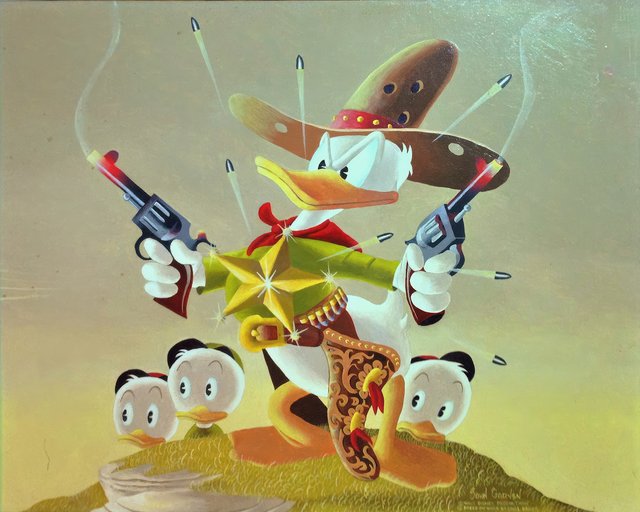
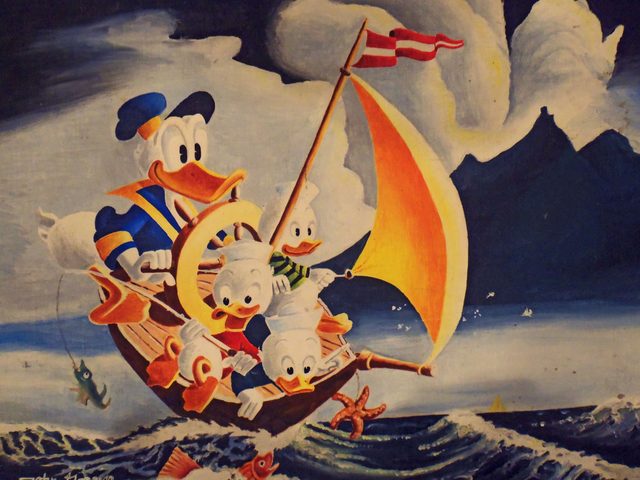
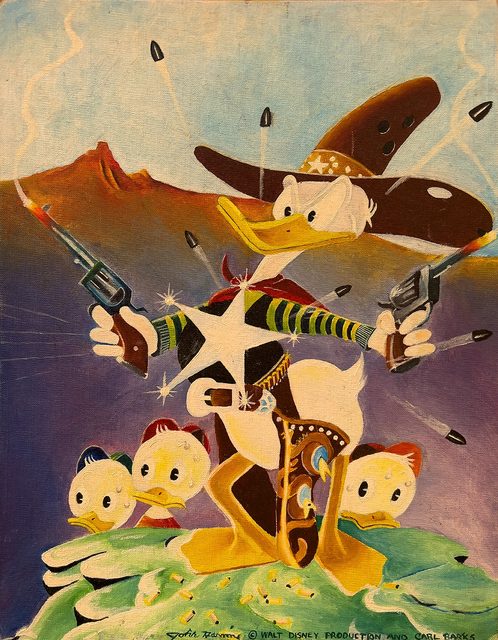
Of course Barks's Disney paintings are kitsch, all of them. From 1971 to 1976 he recreated, in oils, scenes and covers from his Disney comics at the request of his comic-book fans. His paintings from the 1980s and 90s, intended to become limited-edition lithographs, are even more so, often catering to a wider Disney audience hungry for validation that their nostalgic obsessions were actually "art." Here's the thing: yes Barks's paintings are kitsch, but they are also art. They were not illustrations or book covers: Even most of Frazetta's master works all started as book covers. From the beginning, Barks intended that his paintings serve no other purpose than to be framed and hung on walls.
Because of this, Barks brought a fine-art sensibility to his work. He'd spent years learning color theory, rendering, technique, composition, and materials; in 1971, he'd just spent five years selling landscapes and other subjects on the gallery circuit in Southern California, and knew how to craft a commercially appealing work of art. Barks's paintings may be kitsch, but they are still fine-art, and the first of their kind, taking an incredible amount of skill to execute. And as you can see from my early copies, a skill that was far beyond the abilities of a teenage high-school dropout.
High Desert Landscapes
When I first showed Carl Barks and his wife Garé some of my fine-art cartoon paintings, the first thing she tried to do was talk me out of doing them. By the early 1980s she had been a professional landscape artist for two decades, selling to galleries all over the west. She told me, correctly, that I'd never be able to sell my cartoon paintings, that there was simply no market for them if the name "Carl Barks" wasn't attached. She even gave me the contact information for her publisher, Leanin' Tree, to encourage me to paint landscapes instead of funny animals. I'm glad I didn't take her advice. Landscapes that are meant to decorate homes are just as much kitsch as Disney paintings, they just sell to a different audience and aren't as fun to paint.
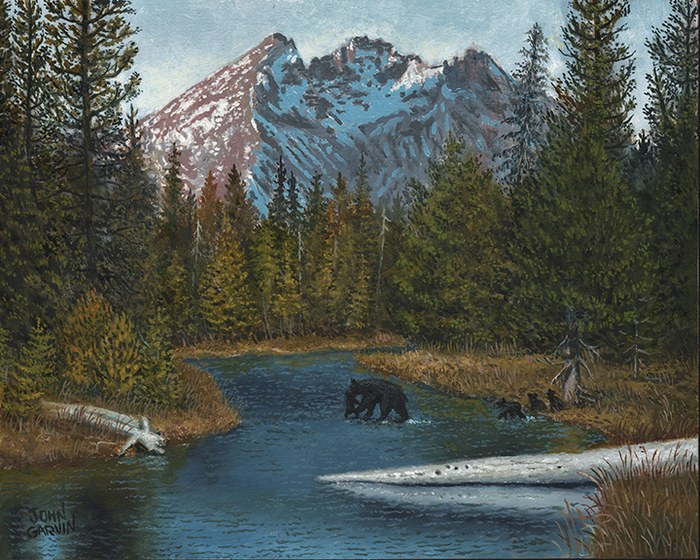
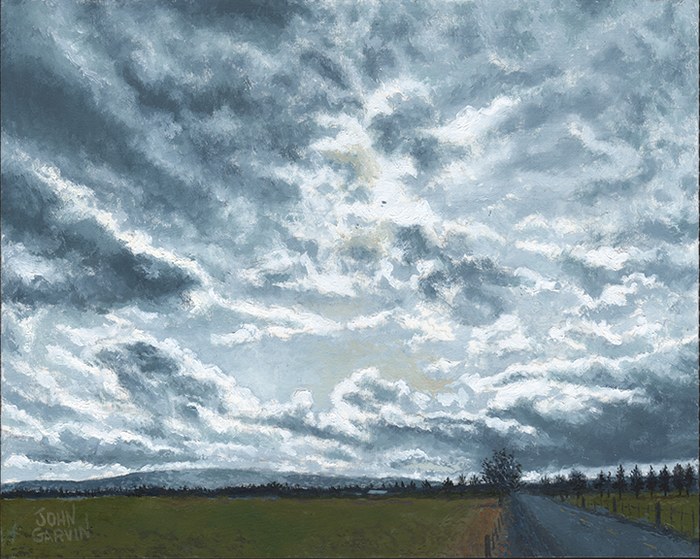
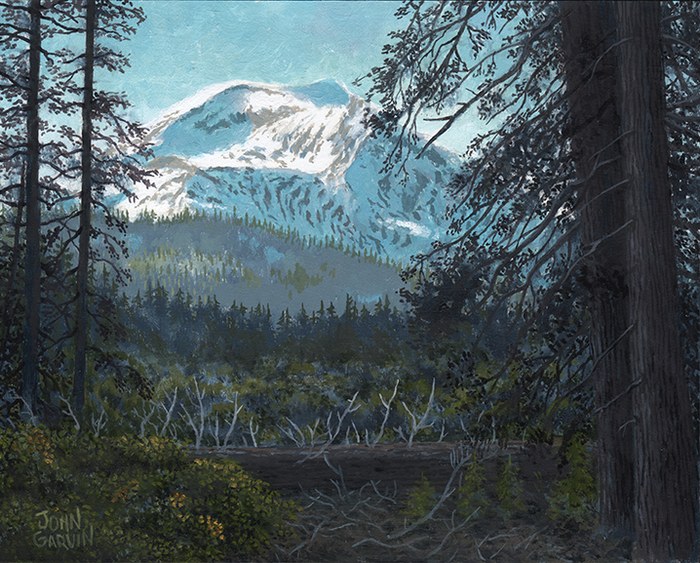
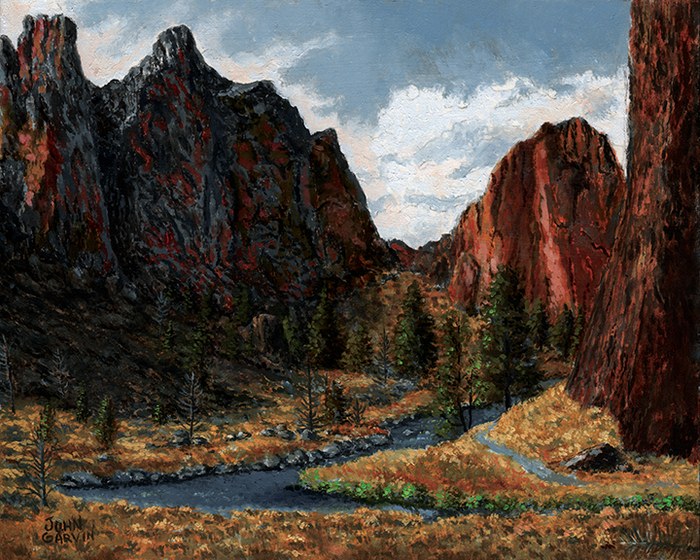
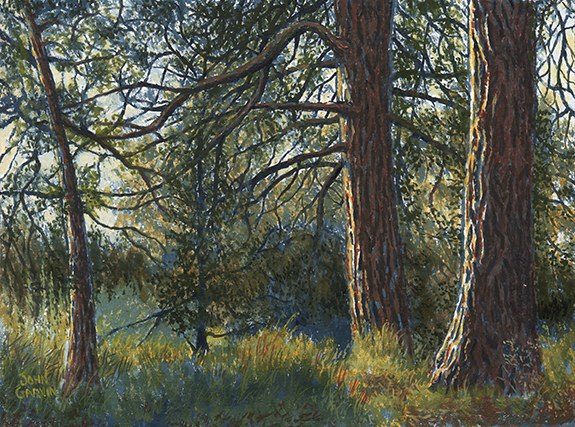
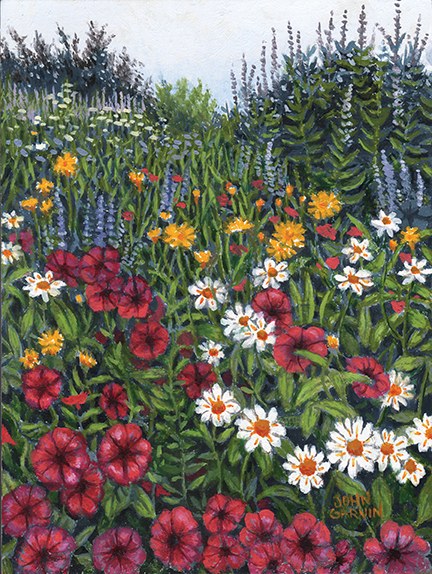
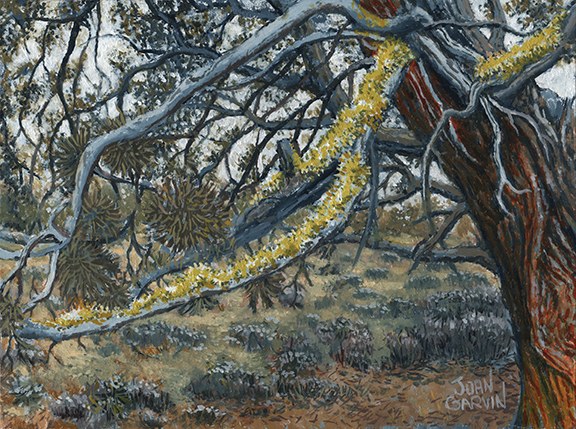
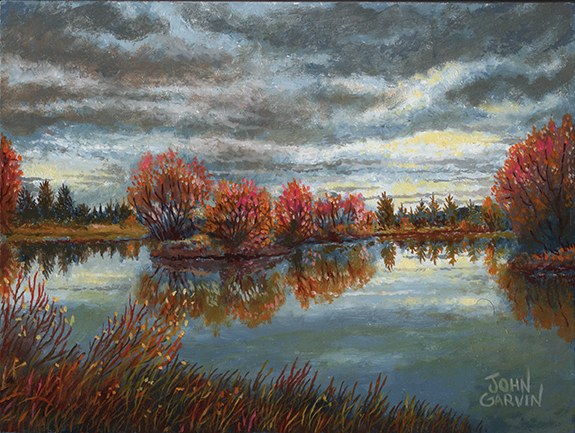
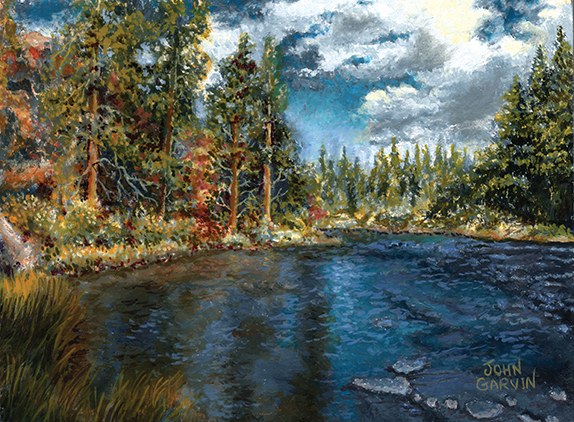
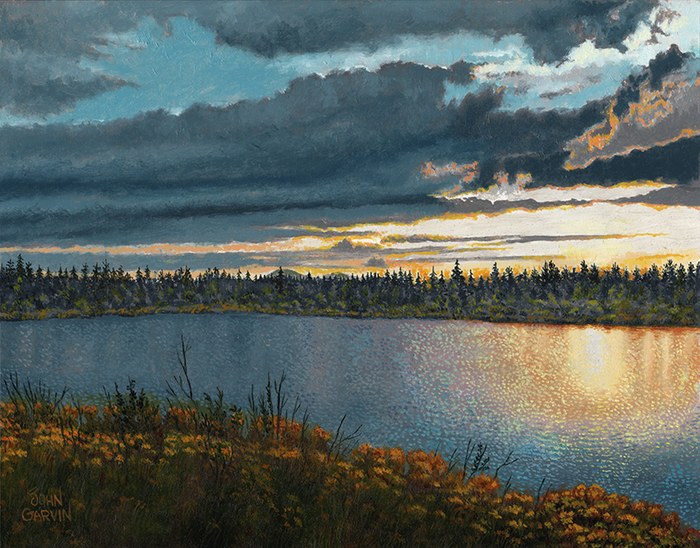
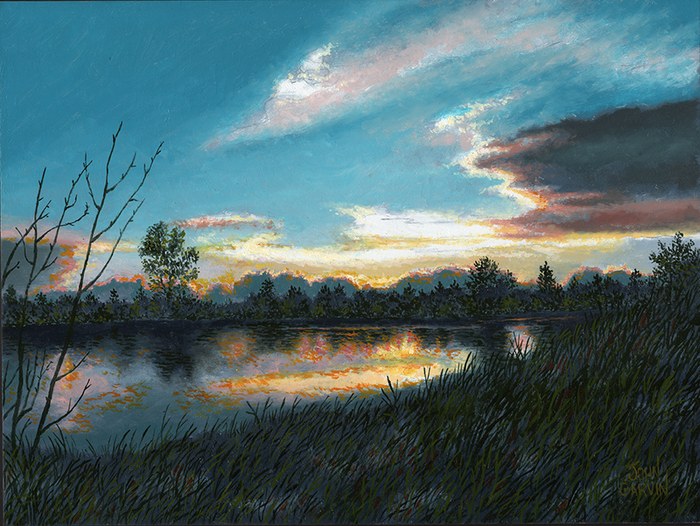
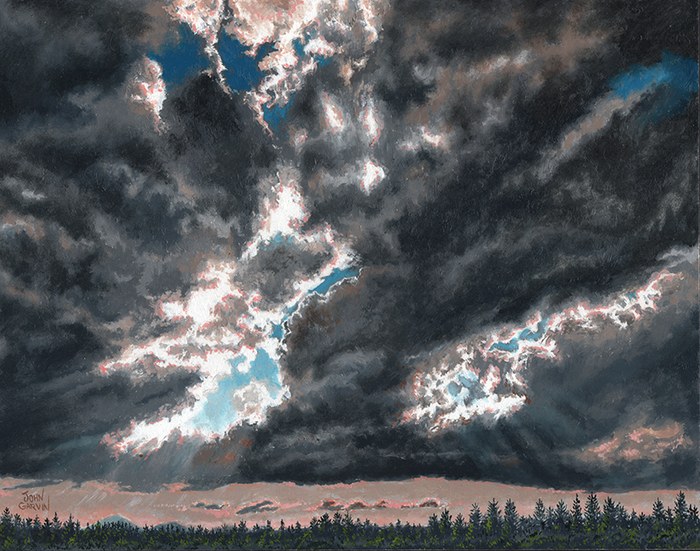
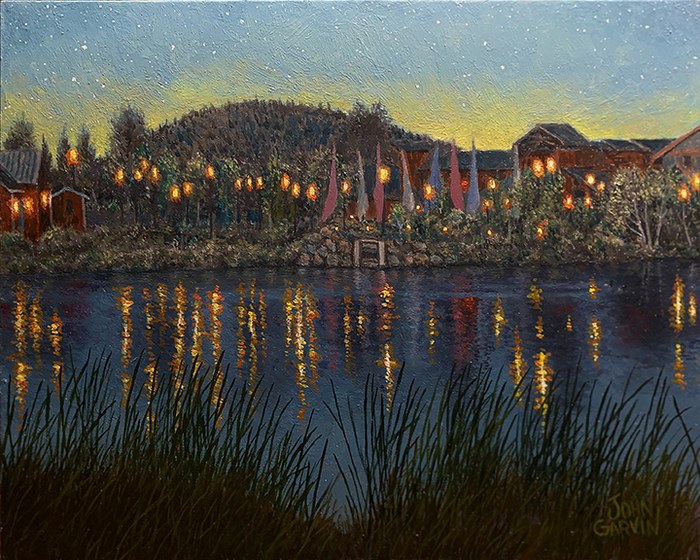
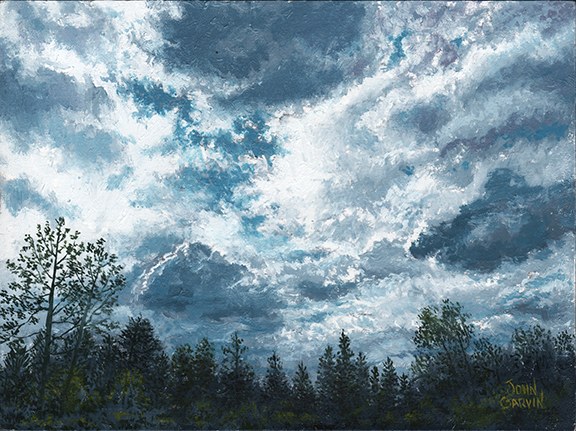
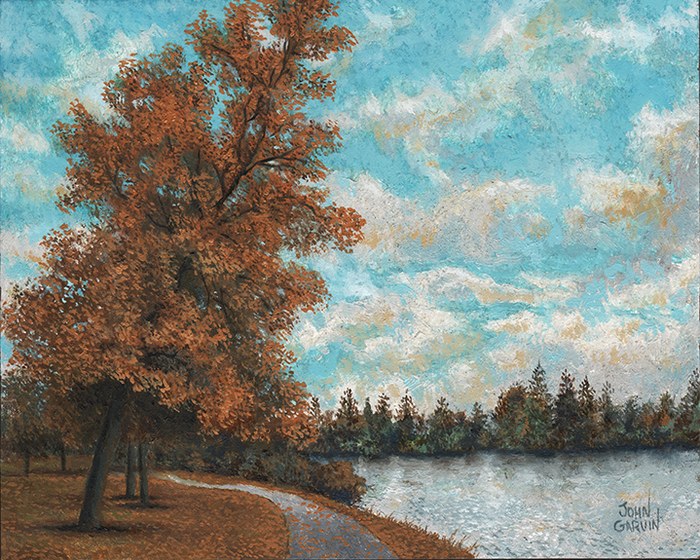
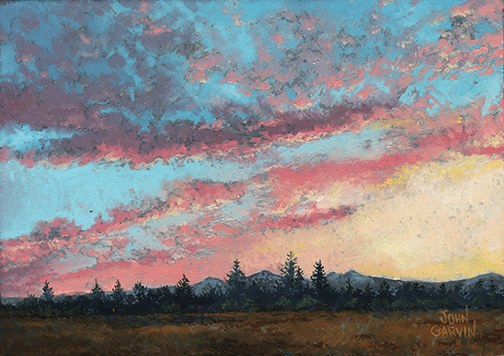
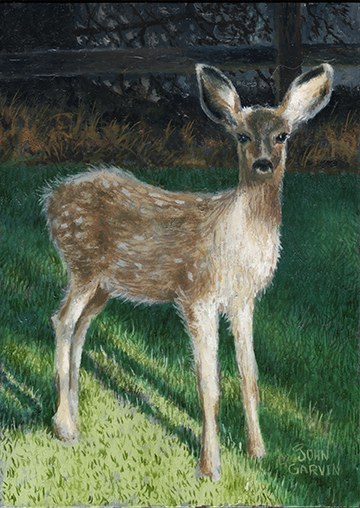
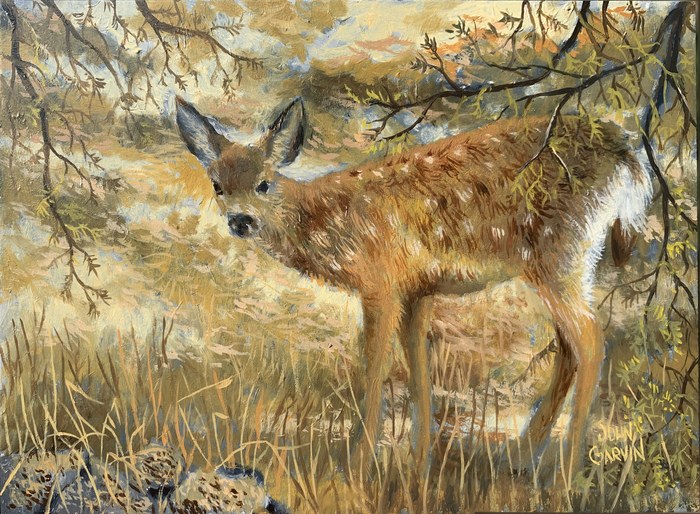
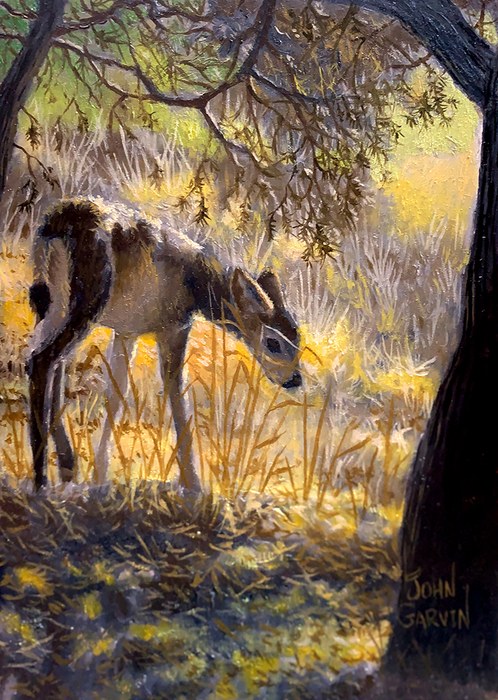
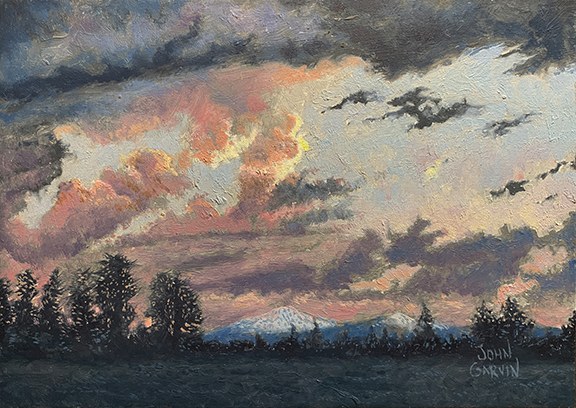
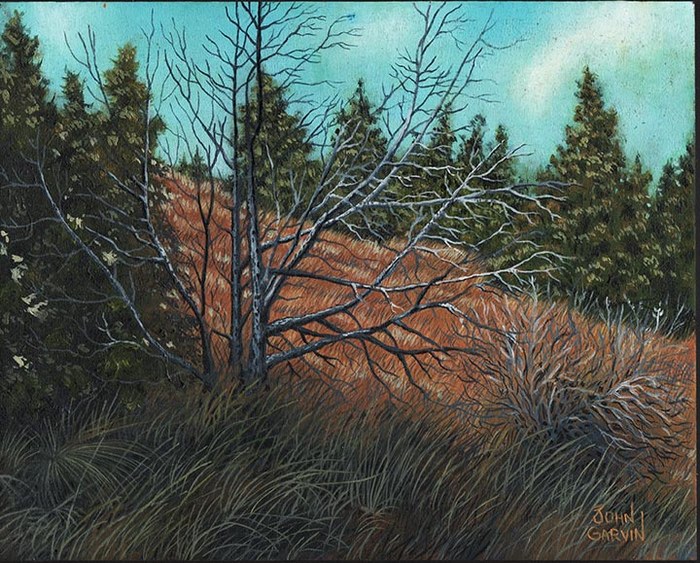
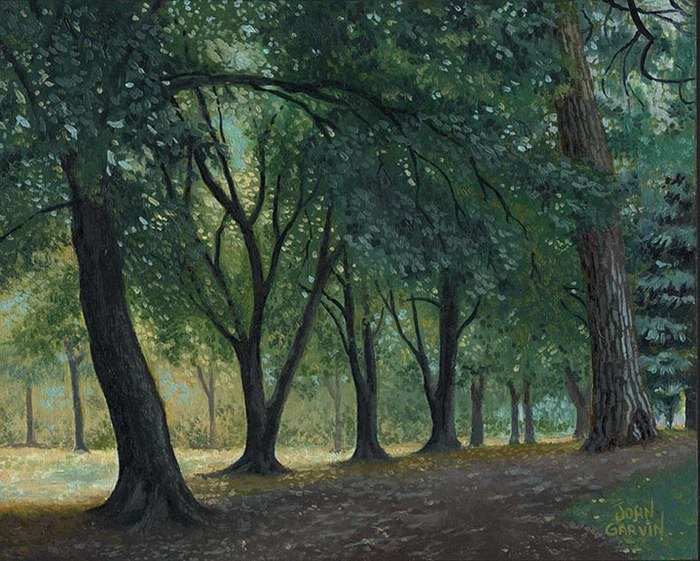
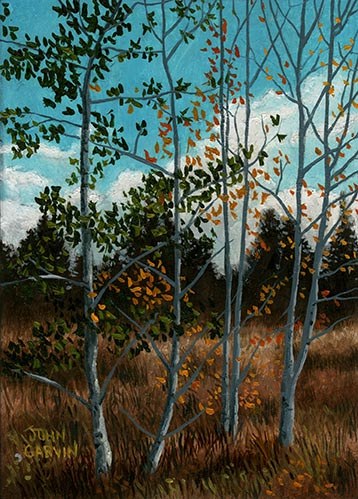
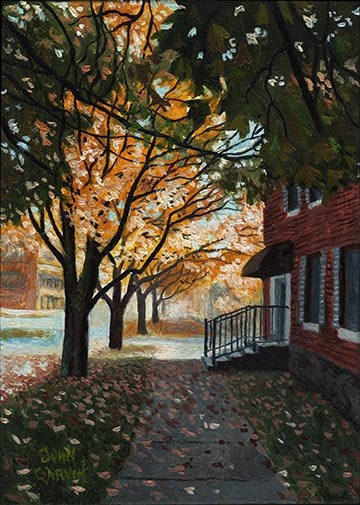
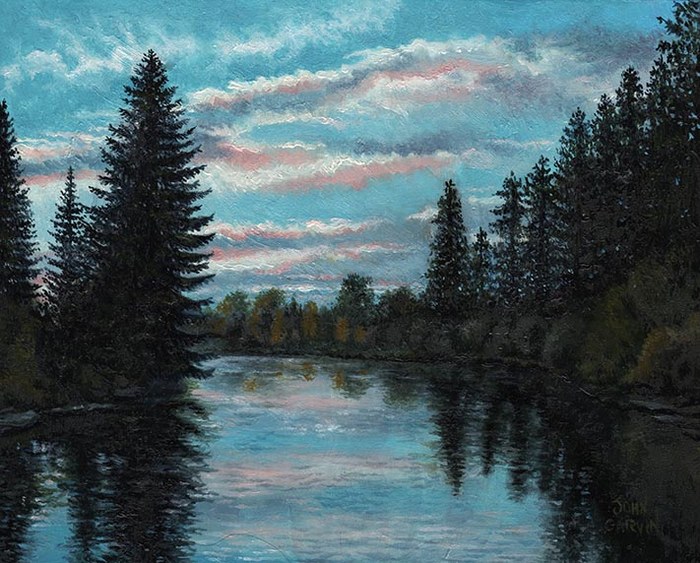
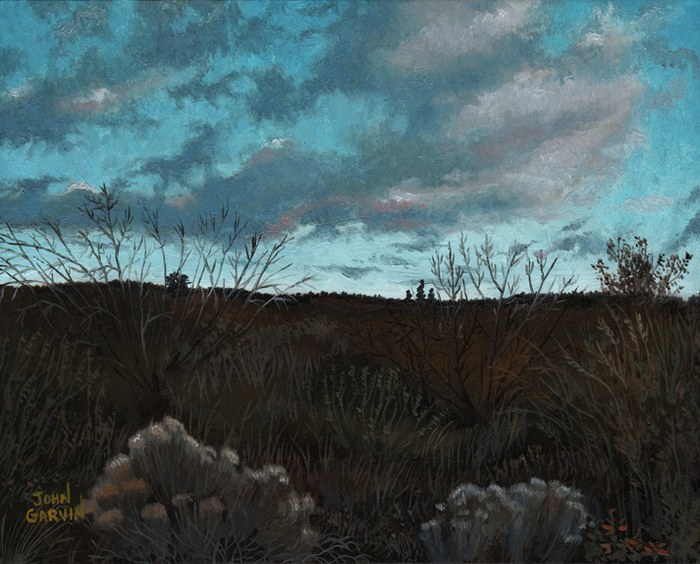
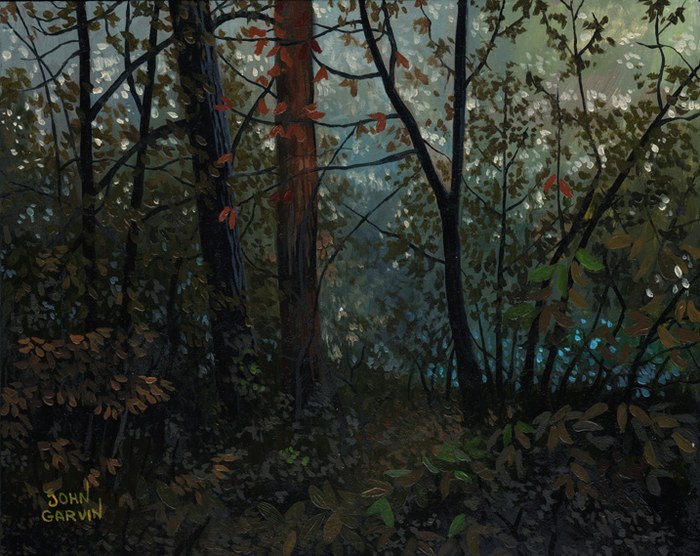
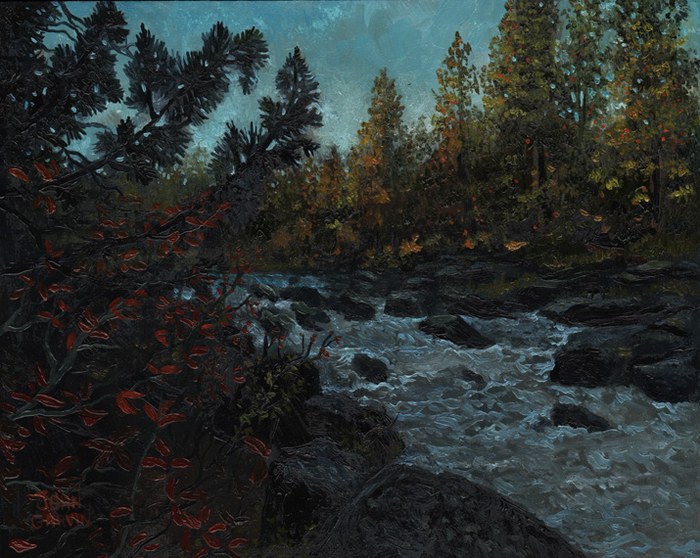
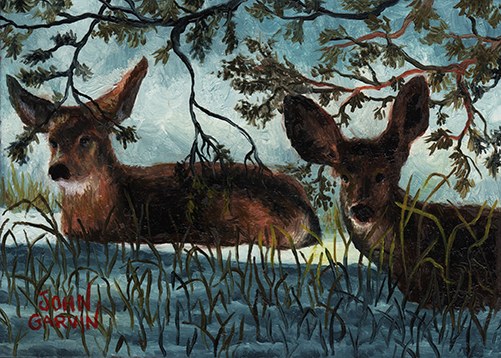
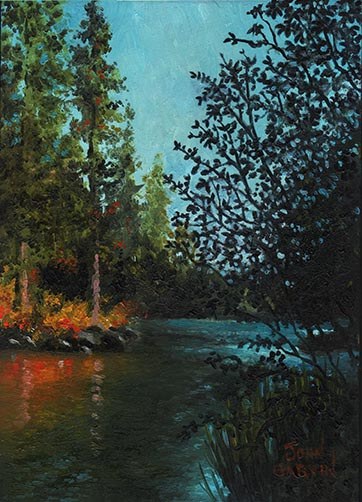
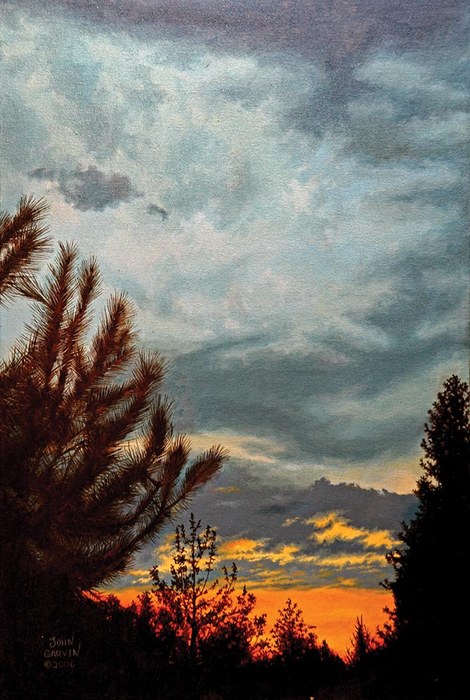
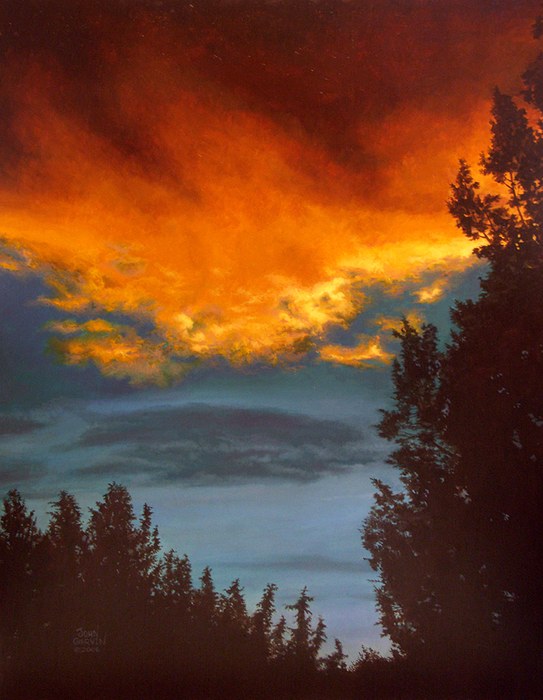
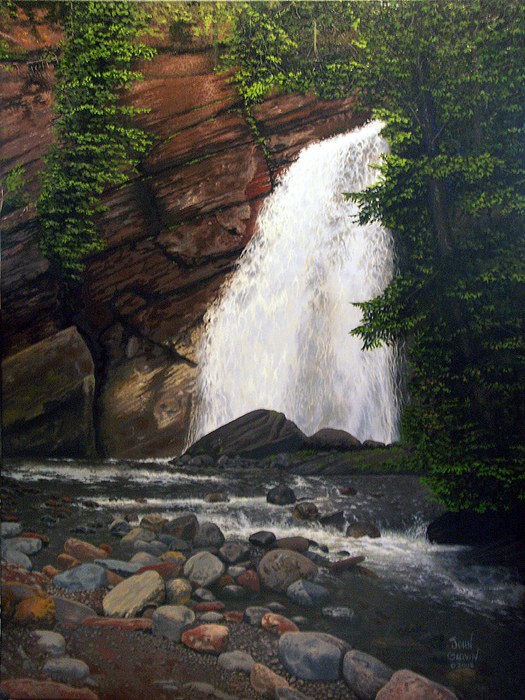
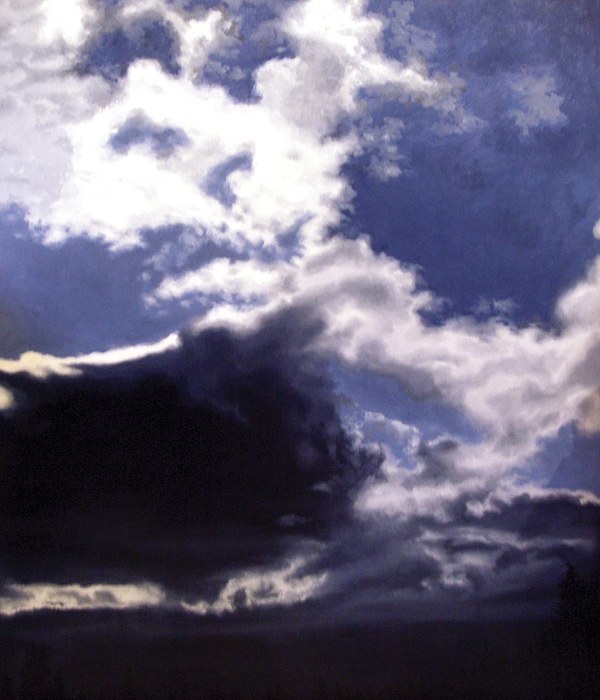
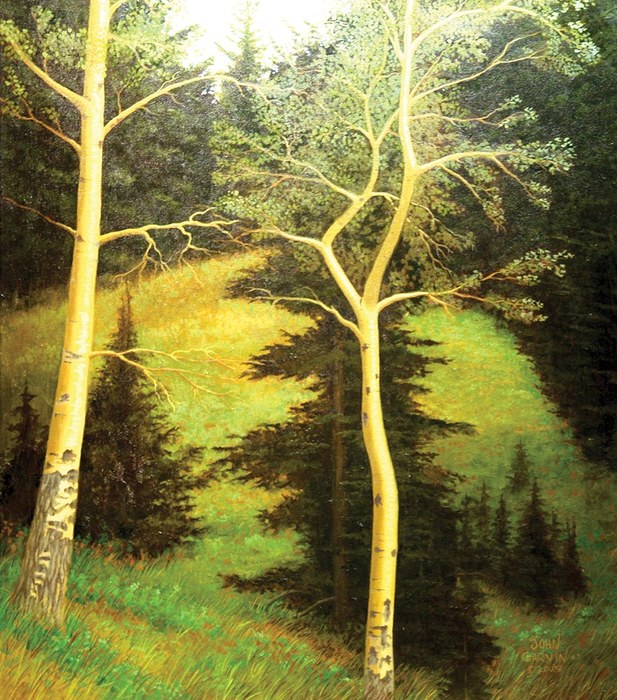
I did start painting landscapes in 2005. Why? Because living in the high desert of Central Oregon, how could I not? There is an amazing variety of landscapes within twenty minutes of my home: rivers, mountains, deserts, lakes, meadows, badlands, lava tube caves, volcanic plains and buttes, the Cascade Range, Smith Rock, and more. Whenever I need a break from painting fine-art cartoons, I just look outside my studio window. There is never a shortage of inspirational views.